Episode 1150 - Dov Chelst
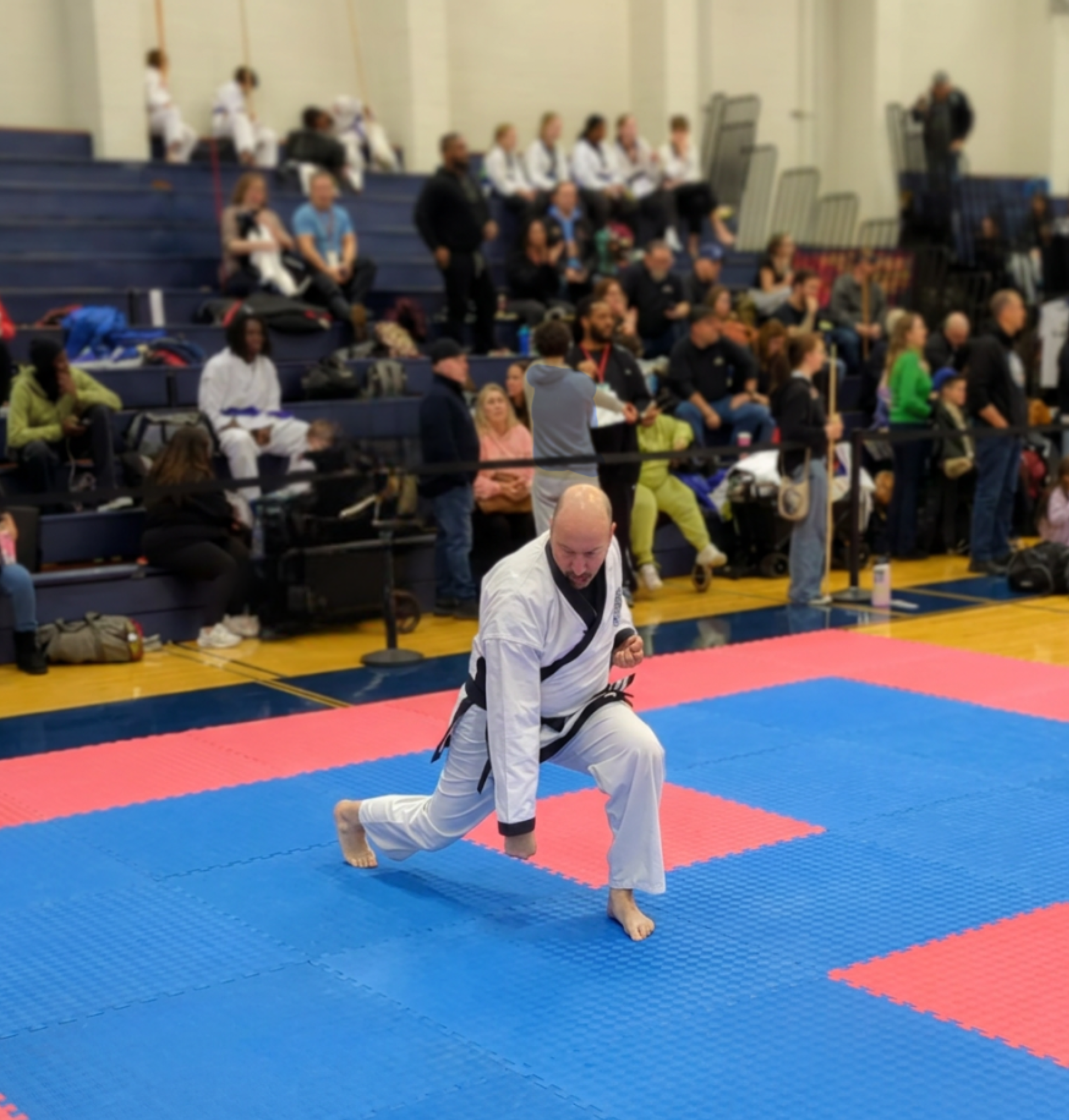
In this episode Jeremy chats with Dov Chelst about cross training, loyalty within schools, and knowing your “why”.
Dov Chelst - Episode 1150
SUMMARY
In this conversation, Jeremy and Dov Chelst explore the complexities of training in multiple martial arts styles, the impact of social media on martial arts communities, and the challenges of loyalty to different schools. Dov shares his personal journey, including his experiences with training, competing, and the importance of gratitude in martial arts. The discussion highlights the value of cross-training, the support found within martial arts communities, and the dilemmas faced by practitioners navigating multiple styles.
Dov also discusses the complexities of loyalty in martial arts, the challenges of cross-training, and the dynamics of instructor relationships. He reflects on the expectations that come with rank, the social aspects of training, and the importance of understanding one's motivations for practicing martial arts. The discussion also touches on the subjective nature of comparing different martial arts styles and the significance of maintaining a sense of fun in training. Ultimately, Dov emphasizes the need for individuals to know why they train and to make decisions that align with their personal values and goals.
TAKEAWAYS
Dov expresses gratitude for the support received during his martial arts journey.
Training in multiple styles can enhance understanding and skills.
Social media can be a double-edged sword in martial arts communities.
Loyalty to a martial arts school can be complicated when training elsewhere.
Competing in different styles provides valuable learning experiences.
Community support is crucial for personal growth in martial arts.
It's important to acknowledge the positive traits of those who challenge us.
Training should be accessible and enjoyable, regardless of perfection.
Cross-training can help overcome limitations of a single style's curriculum.
Martial arts can evoke nostalgia and positive memories from childhood.
Loyalty in martial arts can be a complicated concept.
It's acceptable to question traditional notions of loyalty.
Cross-training can lead to difficult decisions regarding loyalty.
Instructor relationships can be complex and require communication.
Rank can change expectations and responsibilities in martial arts.
Understanding why you train is crucial for personal growth.
The debate over which martial art is 'better' is subjective.
Fun and enjoyment should be integral to martial arts training.
Historical context plays a significant role in martial arts development.
Knowing when to leave a martial arts school is important for personal well-being.
CHAPTERS
00:00 Introduction
01:59 Martial Arts Journey and Training Experiences
04:57 The Impact of Social Media on Martial Arts
07:57 Navigating Multiple Martial Arts Styles
10:54 Challenges of Loyalty in Martial Arts
14:01 The Dilemma of Training in Two Schools
16:53 The Value of Cross-Training
20:07 Competing and Learning from Different Styles
23:07 Community and Support in Martial Arts
25:49 Conclusion and Reflections
36:12 Exploring Loyalty in Martial Arts
38:13 The Dilemma of Cross-Training
40:53 Navigating Instructor Relationships
44:08 The Impact of Rank on Expectations
46:58 Understanding the Social Dynamics of Training
51:05 The Importance of Knowing Your Why
54:56 Defining Better: A Subjective Debate
58:59 The Role of Fun in Martial Arts
01:00:58 The Influence of Historical Context on Martial Arts
01:06:03 When to Leave a Martial Arts School
To connect with Dov: Facebook
Join our EXCLUSIVE newsletter to get notified of each episode as it comes out!
Subscribe — whistlekick Martial Arts Radio
After listening to the episode, it would be exciting for us to know your thoughts about it.
✅Subscribe to whistlekick Martial Arts Radio on the following platforms:
🎧Apple Podcasts: https://apple.co/3mVnZmf
🎧Spotify: https://spoti.fi/3yHVdHQ
✅You can find whistlekick on all social media platforms using the handle @whistlekick or visit our website at https://www.whistlekick.com or https://www.whistlekickmartialartsradio.com
Show Transcript
Jeremy (00:41.183)
So how are you? What's happening?
Dov Chelst (00:52.476)
Good. yeah. not much is going on. I think, you know, just going through my regular week, you know, martial arts every day. Every day, right? That's what that's at least during the week, right? yeah, things are going okay.
Jeremy (01:05.187)
Right.
Dov Chelst (01:13.02)
Can't complain. are we recording?
Jeremy (01:18.379)
It is recording. Whether or not we use this is is a question to be determined later. So so don't don't you know, tell me your bank account passwords or or any deep dark secrets.
Dov Chelst (01:19.288)
Okay, okay. okay, okay, sure.
She first
Dov Chelst (01:29.264)
Okay, okay, great, great.
Awesome. Awesome. So so then, you know, what I would say is I would you know, I I just wanted to thank you because, you know, a a couple of years ago, I'd say around twenty twenty-three, you know, I was having some trouble figuring out some martial arts stuff at the end of twenty twenty three and and you were very helpful and and Andrew was helpful. And you even said, you know, hey, you know, if you want to schedule some time, I can talk to you about it. And if I remember.
Jeremy (01:59.275)
Yeah, it's I I I I remember that. I re I'm I don't remember the exact words, but I remember the gist of the email and I remember how I how I felt when I read your message because it made me sad. And I don't know if you wanna you know, maybe this is a place to start, right? Because you you hold it you you hold a distinction and and in the in the interest of perhaps us using this as as part of the recording.
Dov Chelst (02:18.982)
Well what I what I thought of
Jeremy (02:28.074)
What could be interesting about us starting here is that you hold a distinction that most guests don't in that I know you. We've spent time together, we've trained together. You you you sit in a seat that one of the seats that helps make martial arts radio happen. And so that means well, you know, th there there there are no small parts, right? There are there are there are things that take more time, but that doesn't make them more or less necessary.
Dov Chelst (02:46.182)
Small, small. Let's let's be honest. They don't do a lot.
Jeremy (02:59.555)
And what I don't want to do is arbitrarily pretend I don't know you. Because that that you know, that always comes across to to me anyway, it comes across a little inauthentic. And I'd rather the audience have a different kind of conversation. And so if you're if you're willing to go there and start there, maybe maybe we can talk about that conversation, that email conversation anyway, and and where that's taken you.
Dov Chelst (03:29.498)
Yeah, yeah, we we could do that. What I wanted to say though is after that, you know, what I said is, you know, I've been listening to the podcast for a long time and you know, like I never really supported it, right? I and after that I said, you know, hey, I better, you know, maybe put on support it on Patreon since sometimes you mention that anyway. And you know, like like that conversation was way h more helpful than therapy and therapy is way more expensive. You know, you compare it to a cup of coffee, I compare it to therapy and it's
Jeremy (03:35.864)
Yes, I can.
Jeremy (03:47.885)
We'll take you. Yeah.
Jeremy (03:58.019)
Therapy is far more expensive than than a Patreon contribution.
Dov Chelst (04:00.269)
there you go.
Jeremy (04:05.965)
You know, it's it's funny that you draw that distinction because there have been a number of guests in an audience. If if you've been around a while, you can probably you might be able to think of some of the episodes I'm referencing where the guest after the fact has said, I feel like I was just in an an intensive hour-long therapy session. And that's never my intent. But when someone brings up a challenge.
You know, or or I can tell. You know what it is more than anything else is someone will start to talk and I can I can read between the lines. I can hear what they're not saying. And the only time I ever poke at that is when it sounds like they want to talk about it, but they don't know they want to talk about it, or they don't want to ask to talk about it. And so I'll poke at that, knowing that we we have this this amazing
Jeremy (05:03.733)
Opportunity that if I'm wrong to cut it, right? We can we can always cut it later. And it's rare that we cut stuff, but I can if I'm wrong. And so that gives me this complete confidence to poke and ask. And I guess because I have that confidence, I'm rarely wrong on that front, which is kind of neat.
Dov Chelst (05:25.126)
Yeah, yeah. I mean so so we could we could talk about it. you know, all sorts of different ways to get into you know, we were discussing. So so one way is, you know, I kind of found it funny that you you had a sponsor a while back. I don't know if you haven't been mentioning it lately, right?
Jeremy (05:33.144)
Yeah.
Jeremy (05:41.853)
we you know, we continue to do work for the for sponsors that have been around, but they may not be actively contributing to the show, so we don't actively mention them. You know, they're still mentioned on our website.
Dov Chelst (05:55.86)
so so the yeah, I'll I'll mention them. So so so the thing is you know I have I have this and you know I got it because I'm kind of connected to a martial arts school in Detroit, which is where I grew up. And and you know, a long time ago he said, you know, I want you to get belts, you know, you get your own monogram belts. And and he said, We use guitar for all the belts, right? And I was like, well, I think I
Jeremy (05:57.345)
And you're allowed to mention them, you know.
Jeremy (06:21.591)
They make the best belt.
Dov Chelst (06:23.097)
And and I think it's you know, it's a combination of that and they're located, I think, in Chicago.
Jeremy (06:28.481)
I think i I think they moved at some point. They're in Indiana now.
Dov Chelst (06:31.321)
Okay, but they're they're close they're closer to Detroit. Right. So they're gonna be a supplier that people in Detroit would know about. I remember I went last year, I was at like a national you know conference, martial arts, you know, for for Subak Do. And I was standing next to somebody, I was partnering up with her, and she's from Oklahoma, and it was like, Hey, you got a nice knot monogram belt there, you know, and she said, Yeah, it's for Guitaro. It was kind of funny. So, okay, so
Jeremy (06:33.676)
Yeah. Yeah.
Dov Chelst (06:59.781)
So let's see, what what was
Jeremy (07:01.057)
You could still use the code WK ten for ten percent off. I bet it would still work.
Dov Chelst (07:03.801)
Hey. yeah, I don't know. I don't know. So
Jeremy (07:08.883)
I bet it would work.
Dov Chelst (07:10.735)
So yeah.
Jeremy (07:11.619)
Might might as well throw that out there. We're talking about Giving him giving him a free plug. Why not?
Dov Chelst (07:16.195)
Yeah, yeah. So you know, I definitely wanna, you know, talk about how I got started, but but but I can, you know, we can we can jump back and forth. so so you know, I grew up in
Jeremy (07:26.861)
Yeah. Let's start w let's start with this email that that you sent me a few years ago.
Dov Chelst (07:31.588)
Yeah, yes. Yeah. So so I was, you know, at the time, I twenty twenty-three, I was training in, you know, Subakdo. so you know, it's basically that's another name for Tang Sudo. it the they they're at least this organization uses interchangeably, Mutaquan Subakto. and you know, I
I'd moved from you know a little further south in Jersey to a little further north and it happened to be closer to to a tank sudo subacto school and I wanted to really, you know, train there, particularly because that you know, I trained in a tank sudo school growing up. So I thought, hey, you know, this is another opportunity. And and I'd been training there since twenty nineteen.
You know, one of the reasons was a school closed. And and I don't know about you. I always find that that's that's a challenge, right? I mean, it's always sad, you know, you miss all the people. You miss all the people you're used to seeing every every week and training with. So so I've been training s till you know, twenty twenty three. I'd just gotten my first on black not officially black belt, but know what mean, first on rank.
Jeremy (08:36.9)
Hmm. It's tough. Sure.
Dov Chelst (08:57.687)
And and at the same time, you know, the close the school that closed in twenty nineteen was Taekwondo school. And so I was trying to remain connected with my Taekwondo students, you know, whatever, colleagues, classmates. so we'd been training online since COVID. You know, it was something I think up until then people hadn't thought, you know, if you remember, it's like, nobody can possibly train.
Jeremy (09:26.049)
Yeah. No, no, it's impossible. Anybody that does it is a it's a gimmick and you'll never learn and it's bullshito and
Dov Chelst (09:27.301)
train remotely. That's that's ridiculous.
Dov Chelst (09:34.788)
And you can't you can't and you can't learn anything from a video. You can't learn anything from reading a book. Yeah, but why would somebody write a book if you can't learn from it? but so so I'd been training with them, yeah, you know, three times a week. And we'd been going through our our patterns or forms. And I thought, you know, hey, now I want to compete maybe a little bit to see, you know, to to make my forms a little better. And so I found a local school.
I I didn't even know there was a Taekwondo school like ten minutes from my house. So I'd you know s started going there too. and so I was going both places. And and you know at the
Jeremy (10:17.375)
Equally? W were you was it was it, you know, one day a week each, two days a week each?
Dov Chelst (10:21.837)
No, no, I don't think so. you know, it's I think there's you know, there was some concern that that maybe one school would say, well, you know, hey, if you do that, a lot of people are gonna do it, but it was it's difficult. It's difficult to to train multiple places and takes a lot of effort. so no, no, absolutely not. It wasn't equal. I was going mostly once a week to the Taekwondo school. they had a black belt class.
And and they would also help, you know, like there's only so much you can do over Zoom to improve your forms. It helps if somebody's there to watch you and say, hold on a minute, look at that foot. so so I was going there once a week and and you know, occasionally they had a Sunday class I would go to. so I was doing that. And but then at some point, you know, I talked to them about, you know, possibly testing for rank.
And and so it I basically tested for rank in December of twenty twenty three after after you know getting my f my first on at you know Subakto in in May of 2023. And then, you know, I I post online about it. you know, I said, you know, thank you to you know, Glenridge Taekwondo for, you know, for this rank. And I think it's important to be grateful to people.
Who who you know who are supportive of you? So I just said thank you. and and then I also I think I yeah, yeah, there are all these people that they have these like belts. Have you ever seen the belt like stands where you show your you show all your stands, and that's you know, people like them, but you know, it it always feels a little different if you've done it more than once. Like what are you gonna do? You'd have multiple stands.
Jeremy (11:54.838)
Of course.
Jeremy (12:09.804)
Yeah.
Dov Chelst (12:20.079)
for your different schools. So so my wife had asked me, hey, you know, I you know, I want to get you a stand for your birthday. And I said, well, you know, I'm not really into it. But then I said, well, okay, well maybe I'll maybe give me a stand, I'll put my black belts on it. Right. Since I have black belts for different styles, I'll put those on it. And then then I put you know she put she, you know, I put them on. I said, you know, thank you to my wife for for, you know, giving me this gift.
And I put them on. And I did not imply any kind of equivalence, right? Because they're all different. Styles are all different. So I said, you know, hey, just thank you for it's a very nice gift. Thank you. Again, just be grateful. But but those posts, I guess, you know, made people uncomfortable. I'm not really sure. but anyway, so
Jeremy (13:08.247)
When you say people, which people? And you don't have to name names, but do you mean people at one of the schools or both of the schools or people outside of the schools?
Dov Chelst (13:16.943)
Yeah, yeah. Yeah, I think I think, you know, someone at it's it's always hard to know, right? Because you get you get information and it's filtered down. Is it the person himself who has an issue? Is it is it you know influential colleague who who's who's you know who has some kind of you know problem with it and so they were, you know, kind of upset that
Jeremy (13:23.725)
Mm.
Dov Chelst (13:46.415)
I'm not sure if it was the posts or or just the you know the mere fact that I'm you know training in two different styles. But you know, I was I definitely worked hard to keep them not not really to keep them separate because you really can't. I mean, if you're training, you're moving your body. So that really helps, right? I mean, so so it's it's not completely separate, but but you do have to remember you know, the ways, you know, if you certainly if you're gonna work.
to teach in one school over another, because I've been teaching at one of the schools or at least assisting with teaching. So you have to tell people how to, you know, how to run how to l how to block, for example, you know, where to chamber your hand. And it may there may be minor variations from one school to the other. So you just kind of have to flip that switch and say, you know, okay, now my my heels can be off the ground in my back stance and and now I'm gonna chamber, you know, instead of crossing my hands in front, I'm gonna bring it up.
instead. So I I thought I was doing that and and I I also didn't say, Hey, you know, why don't you come trade with me in the its other school? so
Dov Chelst (15:01.197)
So I think, you know, the way I tried to describe it is, you know, after we talked, right? I mean, so so there was a challenge, right? Like, you know, some people would say, you know, I don't know if you can do both. You have to kind of decide which which one do you want to train in? But but I, you know, I clearly didn't want to decide because I I I mean, I like them both, you know, for different reasons. but you know, I always wonder, is it you know, is martial arts a little bit of nostalgia? I think I know.
why I train. but but some of it is because I trained as a child. I don't know, did you train when you were a kid? And it kind of brings back those memories. And and they're pot they're all positive memories. So so reconnecting to that is good, but not but that's not my exclusive reason for training. So so so you know it kind of brings up issues of
Jeremy (15:41.08)
yeah. Yeah.
Jeremy (15:47.863)
Mm.
Dov Chelst (15:59.971)
of loyalty. Are you are you loyal to your to your style? and that's that's kind of a challenge because you know for some people you know they start with one instructor and they kind of stay with them the entire time. So it's a pretty clear, you know, who and what they're loyal to. But what do you do when you're when you have a style you study with and you have to leave, right? And then you go to another another place and that closes.
and then you started with a new that third place. You know, do your loyalties end to those first two places? You know, I don't think so. You know, I still think I have some loyalty or or at least connection to, you know, my my instructor in Detroit and and even the one who closed down in you know, in New Brunswick, New Jersey. So, you know, and they taught me something. So I I you know, I didn't feel like I was being disloyal by
continuing to you know to study what they taught me as well. So so you know, I I think we we managed to kind of work through it, but as long as I wasn't too too vocal about it or, you know, described what I was doing.
Jeremy (17:18.383)
And it and this is where you and I had so, you know, you you referenced the email. but you and I had a I think it was an in person conversation at one point about whatever I think you've taken the story now. This idea that okay, fine, you can do both, but just don't let the other students know about it. Don't be so bold about it, don't post it on social media, keep it to yourself. Is that where we are in the story?
Dov Chelst (17:47.259)
No, no, no, we're not. No, in the story. In the story, sure. Yeah, I think I think we agreed that, you know, like I don't I wasn't really big into social media anyway. So if I wasn't you know, it some people you know, a lot of their presence is on social media. I think you're you're more on social media than I am. You know, I see you're posting questions, right? Like favorite dog name or uhhuh, sure.
Jeremy (17:48.417)
Or did we not get we didn't get there yet? Okay, sorry.
Jeremy (17:53.538)
Yeah.
Jeremy (18:13.825)
I like a I like asking good questions.
Dov Chelst (18:17.619)
so so it didn't seem like it was a big loss. you know, one of the things I really enjoy with social media, and we can talk about that another time, is well I mean, you know, like in a few minutes, there's that group where everybody gets together and they post a kata or form every day for a hundred days.
Jeremy (18:22.403)
Mm.
Jeremy (18:38.635)
Yeah, yeah, that that hundred day group that Andrew runs.
Dov Chelst (18:40.879)
That yeah, that's that's a great group. And I like I like using it there and then you know, everybody there is is super supportive, right? It's like, hey, you know, great, you know, you can learn a new a new form, you can, you know, practice your old form, do whatever you want. You can learn a learn a form with a weapon if your style doesn't have any weapons. Right. So so there I you know it was very valuable.
Jeremy (18:43.693)
Yeah.
Jeremy (18:50.337)
Mm.
Dov Chelst (19:10.767)
Yeah, yeah. So I think I think we agreed like as long as they don't, you know, talk about it too much online. But you know, was
Jeremy (19:18.147)
Mm.
Dov Chelst (19:22.095)
the the the difficulty, right, was it it there were also some extra parts to it, right? Because
There was some concern just about posting anything, you know, online, you know, even if it's within your style, right? Unless it receives.
Jeremy (19:42.359)
Where where does that where is that line drawn? Right? You know, the the line of of don't post too much. Don't don't upset the Apple cart. Don't don't influence. Right? That I suspect that's a word, even if it wasn't used, that's that's a word that comes to mind here. And it's so entirely subjective that it can even change day to day.
Dov Chelst (20:08.729)
Yeah, I think it's yeah, I think it's a little bit of, you know, we want, you know, if you're going to let's say describe the art, it has to be, you know, almost perfect that you know, it has to look really good. And I'm thinking, you know, you should just see people, you know, working to improve, right? It's okay if it doesn't look perfect, you know. School if if if you know the dojo or dojang is closed, you can go outside. let's say do the snow, right?
You can go outside, put on your snow gear, and you could do a a forum in the snow just for fun. Instead of instead of and then you can post online and and we can make a little like one of those Brady Bunch montages and have everybody see it. And that would be kinda cool, you know. But will they will they look perfect? Will people lose their balance? Will they will they be barefoot in their in their uniform? Will everybody be a black belt? Not not necessarily. But but you know, it'll show that
People are enthusiastic and sometimes you know enthusiasm and is as important as as you know clean clean technique. So you know, there's that and and you know the the there are certainly internal competitions and internal, you know, classes and seminars.
But as you as you know, right, they're also, you know, just open open tournaments and and and I'd gone to the other school, right, to compete, right? And I was gonna compete in probably in Taekwondo patterns. So so you know, I did a little bit of competing, you know, with Taekwondo patterns and then I would go to some open tournaments at least, you know, to to do kata, you know, open open forums or and also
traditional forms. And and I even tried weapons forms once and maybe I'll do some more. That's that's fun. yeah, yeah. So but but not all schools are you know
Dov Chelst (22:25.243)
What would I not cooperative, I would say,
Dov Chelst (22:32.165)
What's the right word? They're not all
Jeremy (22:37.453)
Accepting?
Dov Chelst (22:39.215)
Yeah, I mean more than accepting, right? You'd you'd think they would be yeah, they they don't encourage it, right? It's not encouraging of it. And and I think, you know, part of it is a and I get it, if if you have a bunch of kids who are going to a tournament, you want them to do well. And and so, you know, how do you manage the the expectation if they go and they don't they don't do well, right? So when I went I did not
I did not do well. Right. you know, so, you know, I didn't want to be last. So I, you know, it's happy not to be last and I'm trying to do a little bit better, but you know, if I don't place, that's okay. You know, I don't I don't mind. there, you know, as black belt, it's also you get that opportunity to judge, which is a lot of fun. And you get to see other people doing everything. And and it's it's also good to know, you know, y it's it's easy if you're
if you're separated, maybe to to not realize that maybe some some other places are maybe a little bit better in specific aspects. Maybe they do better at sparring than than your school. but of course it's you know it depends on the rule sets. So so you know I was doing that. I was going to competitions, not a ton, a couple times a year.
But but I enjoyed it and I didn't really want to to stop. Right. And and of course I was going and then what else would I do when I was going to you know Marshall, Marshall Summit and Free Training Days. And those were a lot of fun, right? You get to see people from completely different styles do all sorts of different things. And then and then also, you know, maybe give a seminar, which is which is definitely not and you you could pick anything you want, right? Just you
Jeremy (24:25.093)
Yeah.
Dov Chelst (24:37.453)
Not it doesn't have to be in your in your curriculum, right? So you get to really kind of spread your wings a little bit, which is you know something I definitely valued. Right. But you know, and usually if you're doing that, you like to be able to to advertise and say, Hey, you know, why don't you come with me? We can go have some fun at free training day. You know, it's free. you know, you don't it's only it's not just two minutes of competition.
Jeremy (24:58.149)
Yeah.
Dov Chelst (25:06.327)
Right, or or five minutes, you can you can seven hours of training, you get to meet all these people from all different styles. You know what could be better than that, but you know, that that presupposes like you said, like a school that encourages.
Jeremy (25:24.559)
Yeah.
Dov Chelst (25:26.327)
you know taking those opportunities. and and I definitely understand like if there's something else going on at the school, right? Like if it's test day, that same day as free training day, that's different. But but if it's not, if it's an open day, then then why not? Why not try it out? yeah and I'm definitely looking forward to it actually coming up. So we're we're having fun having some fun. I think in the photo I put the the
Jeremy (25:50.107)
Good. Yeah.
Dov Chelst (25:55.621)
The baseball bat and the hammer.
Jeremy (25:57.687)
Mm, nice. Okay.
Dov Chelst (25:59.356)
So we'll see.
Jeremy (26:05.199)
You're so I'm I'm gonna I'm gonna challenge you a little bit because I think you're being you're being very diplomatic about this situation. And I'm be I I I know the situation more, right? Because you we've talked about it and everything. So I'm gonna challenge you to be a little less diplomatic for the benefit of the audience. And again, you you can you can you don't have to name names. You don't even have to say, you know, because you've you've talked about there being two different schools, so you you can
Dov Chelst (26:25.487)
For sure.
Jeremy (26:34.745)
You can leave it ambiguous as to which school you're talking about, even. But I I wanna I wanna get to the the crux of the challenge here or the problem or whatever whatever we wanna
Dov Chelst (26:49.177)
Yeah. Yeah, you know, it's it's hard. You want y you know, honestly I I have no illusions about how many people are gonna listen. But you you know, you definitely don't wanna right because like I said with social media, I don't wanna burn bridges ex you I don't wanna tear it all down to the point where, you know, people have talked to me or or I don't know, maybe maybe I imagine that someday I can, you know, go back.
But you know, at at this point, okay, so so like I said, there's you know Taekwondo School. it you know it's basically ITF school, but it's not officially part of the ITF larger organization, right? But not not far removed. And and I got to that because I was I went to a school in Highlands Park at near Rutgers, and it was also
you know, ITF based, mostly because both of the people who are running those organizations were students of general choice, like direct students of general choice. So they're gonna have ITF type schools. And and the school, you know, and I went to Sudubakdo, which is basically run by the by the son of the founder, right? Huang Ki is the founder of the Moodwan and
And his son is the current, you know, head of the Subakto Federation. So that's a large organization. They've got, you know, they're a little bit bigger than than I guess the ITF, not the ITF in general, but just the ITF, you know, group that I, you know, whose school I go to. And and I, you know, I kind of gravitated to to bigger organizations because like
You know, I moved from school to school and and after I moved the first time, right? I I went to New Jersey from Detroit and I said, you know, hey, you know, my instructor is Rob Hogan and nobody knew who I was talking about. And and and you're probably not surprised, right? But I was, but I was.
Dov Chelst (29:17.551)
So so I definitely, you know, gravitated towards places where you know people maybe were more likely to to know what I was talking about. Okay, so yeah, yeah. So I don't even know if I've answered your question. Have I danced around your question?
Jeremy (29:34.756)
You you you you have dan you have didl done a little bit of dancing.
Dov Chelst (29:38.723)
Okay. Okay. Sure. Sure. Yeah. So it's Sumekto school, you know, nearby, right? I I moved to West Orange and and one of the things I like is is, you know, if you're gonna train all the time, you wanna train within like ten, twenty minutes of your house if you can. You know, I don't know. It kinda depends on your geography. So so I, you know, I chose a school. I was I was I moved to West Orange, I was traveling forty five minutes.
to to the school closed down twenty nineteen. That was pretty far, right? And if it rained, it was an hour. So I picked a Subacdo school that's within you know 20 minutes of West Orange. And it was great. Right. I would drive there, go for four, four days a week, maybe, maybe five, if I could. And and that's really w you know where I was going to you know Subacto school. And and and just, you know, the headquarters, at least the national headquarters,
of Subak Doe is also, you know, nearby in in Springfield. So so that's also convenient, right? although it's you know throughout the
throughout the country. Right. Yeah, yeah. So
Dov Chelst (30:57.403)
Yeah. I still don't know if I answered your question, did I?
Jeremy (31:01.103)
I I y you haven't. You haven't. So I'll let me let me be more direct. I'm what you were you were posed with a dilemma. You had to make a choice. All all the all this leads up to and and and I what I what I think I want to point out here is that what is important to know about you as we lead to this this question of dilemma is you throughout this time have been
Dov Chelst (31:03.097)
Okay, that's a that's a yeah, sure.
Jeremy (31:30.381)
Listening to martial arts radio, attending whistle kick events, finding value in cross training. And I I don't think it's an accident that the shirt you're wearing right now doesn't say Taekwondo on it. It says martial arts. And and if I recognize the font, that's yeah, that's the that's that's that's one of the the whistle kick shirts, you know, martial arts because sometimes therapy is too slow. you know, you're not you're not on on the show with a a taekwondo shirt or or anything specific.
Dov Chelst (31:43.055)
Well it's it's yeah it's
Dov Chelst (31:51.109)
What I would
Jeremy (31:58.563)
It's a martial archer and at at risk of overstating how you see things, you find value in different training. The first free training day session I remember you doing was contrasting forms from Shotokan Karate and ITF Taekwondo.
Dov Chelst (32:16.015)
Yeah, yeah. So about the shirt, I would say don't get it in this color because there's a graphic that you can't see. Get in the there get get a different color. yeah, yeah. So so I was doing both both styles. So I think I came in twenty twenty two to Marshall's you know, free training day at the time. And I said, you know, I was tr you know, part of what I try to figure out is
Jeremy (32:21.763)
It's yeah, the the dark the dark rays the dark rays a little tough. Okay.
Dov Chelst (32:43.279)
I don't want just do what I want, right? There's an audience. So what is the what what would help the audience? what what could I do? Not necessarily, yeah, a little bit maybe better than than your average person, presenter at at free training day, or at least right. I mean at least something that's closer to what I know and maybe the fact that I actively trained in two styles at once, you know, would would would, you know
make me try and figure out how those how those forms are connected. Right. Maybe you know investigate that a little bit more. I have to say that wasn't my best wasn't my best presentation. Yeah, yeah, yeah. So I'm you know I'm trying to do a little better. Yeah, yeah. So I value training in in in multiple styles. I definitely you know whenever
Jeremy (33:25.128)
Don't don't don't even sweat it. Don't even sweat it.
Dov Chelst (33:41.337)
Whenever you, you know, train in one style, right, you you kind of there you see the limits, right? There's a curriculum and that curriculum has limits. Sometimes you're you're encouraged to you know go beyond the limits. Other times you kind of have to go out on your own to to go beyond the limits. Right. So, you know, for example, at the at the other school, right, the taekwondo school, so there's and and I think it's gonna happen
a lot of places, you may you may get a black belt and and then there's a really a large amount of time in between tests. You know, at at a lower rank, at color belt rank, there's short amount of time, there's curriculum. You're mostly focused on that curriculum to get to the next rank. but there may be more time at as you advance. And and then, you know, you could you could either chafe against it and say, you know, why is there this, you know.
limit imposed, right? Why do have to wait two years or or one year, two years, three years between you know for my next test? Or you could say, you know, okay, but now there's an opportunity to do something else, right? Maybe there's a curriculum and I can manage through that, but but what else, you know, maybe do I want to do at this point while I'm not, you know, kind of running and chasing down that curriculum, maybe improving, you know, some of the things that I haven't done, you know, as well before.
So so so yeah, okay, going back, you know, it there was that, you know, attempt to do both, right? And and at the same time I wa you know, I wanted to clearly, you know, show that I was dedicated to Subakto, right? So it was this concern about loyalty and and and so
Jeremy (35:29.125)
The con that concern did not y you're you're I think you're glossing over an important p piece. That concern was not coming from you. Others were concerned of your loyalty to Subak.
Dov Chelst (35:40.079)
Yeah, yeah. Well, you know, it's absolutely right. absolutely.
Jeremy (35:46.299)
You're be you're be you're being you're being diplomatic. You're dancing. You're being nice, and and this is and this is part of who you are. This is part of what I appreciate you is you're a very kind person. but I I think for the benefit of the audience, they they need to understand some of some of these direct requests, statements, questions that were made of you. Because you're not the only one that's experienced this.
Dov Chelst (35:52.281)
Well
Dov Chelst (36:13.989)
Yeah. Yeah. I mean, you know, one one of the things you want to do, like like I decided I I wanna be positive, right? You know, it's easy to go negative and say, you know, that person does something I don't like. That person is, you know, look at their feet and and how silly is that? And and I think, you know, people are complicated, right? So they've got all sorts of positive qualities and traits in there. You know, they can be very helpful at times and very
you know, supportive and and so people who even give you you know difficulty maybe maybe they're yelling at you calling you disloyal at the same time you know they've done a lot to to help you grow as a martial artist so so you don't want to gloss over you know the the things they've done to help you just you know because it also presented a difficulty so so you know it's people complicated but yeah yeah so
Jeremy (37:10.683)
Mm.
Dov Chelst (37:12.997)
So yeah, I don't
Loyalty is a is an unusual concept and and it's and I think you know it's complicated because you you got these martial arts, they they started out in Asia, I guess, I would say. And and and there's a whole you know, all these things that we think of as the way we interact together, they're really, you know, they're social, right?
I mean, they're just ways that we've decided, you know, we're gonna shake hands, we're not gonna bow. You know, you wouldn't go up to a regular person in in the street now and bow, but you would at you know, at at your martial arts school. So so all of these notions about how people should interact and and what kind of level of deference you're supposed to show to your to your seniors. They're all y you know, design and and so so that concept of loyalty, right, is I think it's a bit
It's a bit foreign, right, to to American sensibilities. Right. And and I and and I think because of that, you know, it's it's okay to challenge it, right? I mean, I could say, you know, just because it came from from you know Korea or or Japan, that doesn't mean I have to adopt it just because I'm doing a Japanese or Korean martial art, right? So
So I don't have to take everything. so so yeah, there's this concept of loyalty. I don't know whether it's it's it's a great, great concept, right? I mean, I I I try to compare it to a to a college. Right. One of the things I mentioned was I was a college professor or or like you went to school. Imagine you took a math class and suddenly your math professor said, You know, like I don't want you taking that other math professor's classes, right? Or
Jeremy (39:13.701)
Yeah.
Dov Chelst (39:13.723)
You know, don't don't take that professor that physics professor's class, you know. And and and you can't you can't stay in this class if you if you take that class. That would be that would just be, you know, what are you talking about?
Jeremy (39:26.351)
But that was that was what was posed to you.
Dov Chelst (39:29.433)
Right. I mean, 'cause like in the class you just say, okay, you're doing your you're doing your work, you're doing your homework, you're you're passing the tests, you know, what why are you trying to be taking you know a different class? yeah, yeah, it was that was yeah, it was a situation, right? You know, like stop stop training in in, you know, Taekwondo. Or or or you know, you can't you can't really train here.
Jeremy (39:58.203)
Or you have to stop trading here, right? There was an ultimatum to make a decision one or the other.
Dov Chelst (40:03.813)
Yeah, yeah, and I think, you know, really I staved off is that the right term? I I you know, postponed. I'd say I postponed the the I thought I'd kind of avoided having to make that decision as long as I don't like talk about how I was training both styles at at one point.
Jeremy (40:24.195)
What I remember you telling me was there was an agreement that if no one else knew you were doing both, that you would be permitted to do both, kind of in this this vacuum that you were you know, and this is where your your comments about social media come to play, that you had to stop talking about both of them online or or the or the other, right? Nobody nobody outside of your Taekwondo school was to know that you were doing Taekwondo.
Dov Chelst (40:56.207)
Well, you know, I I was so so basically what I said was I'm not gonna post online. I'm not gonna talk to people at Subakdo about my Taekwondo training. or, you know, anything martial arts see that's not Subakdo at the Subakdo school. And and you know, like I won't you know, what was I doing? I was
You know, was I'm officially an assistant instructor. but you know, so sometimes you're assistant instructor, you're you're in a class with another instructor. Other times, let's say if you're doing okay, you might be instructing a class and somebody might be observing remote you know, maybe they're on video, they're keeping an eye out on you. So that, you know, you might be an assistant, but you might be, you know, running a class. So I was running once a week I would run a class I would run, you know, the some kids' classes.
And basically, you know, I'd volunteer, right? I'd I'd teach four year olds and white belts and and green belts. And you know, I didn't talk to them and say, hey, you know, you want to come to Marshall Summit? or you know, do you want to go to this open tournament? you know, I think they had plenty to do. I I wasn't gonna I wouldn't have done it anyway. I definitely wouldn't talk to them about, you know, training in two styles at once. you know, I I I think of it as
You know, pretty specific to the fact that I happened to, you know, I came there after training in a different style from 2007 to 2019. That's a pretty long time. you know, it doesn't yeah. So so I was kind of doing it for myself. And but yeah, there was so I think the the agreement was as long as I don't, you know, talk about it at the school.
Jeremy (42:48.912)
Mm-hmm.
Dov Chelst (42:50.137)
But you know, the one thing I did have to say is I'm not going to go to, you know, the other school or or the other event and say, please don't post me in a photo, right? I'm not gonna well do hide from photos that that a school is taking, or if or if some other person at a tournament wants to take a photo with me, you know, I'm gonna say, you know, I'm gonna hide from the photos that are being taken by other people. Or so
So I said, you know, I'm you know, I'm not gonna do that. You know, that that's just a little extreme. so so I think that's where we left it. and then it you know, kind of a little more, I'd say I would also let the let the instructor know. I would basically I would send him maybe a list and I would say, Hey, you know what? I just
For your information, I'm gonna be doing these things. Right. I didn't really ask his permission to do them. And that's another thing, right? There's this you know, kind of notion that you know, if you have a relationship with your instructor, maybe you get their permission to do certain things, which is I
Well anyway, so I let know and and right, because I didn't want surprises. Right? It's it's difficult, right? If somebody has an issue with what you're doing. So so in some sense, when you're letting them know what you're doing, it's sort of like you're you're needling them, right? You're you're maybe aggravating them. But but the alternative is if you let if if you don't let them know and they find out some other way.
Jeremy (44:21.979)
Mm-hmm.
Dov Chelst (44:42.531)
Right. I I I think that's worse. Right. That's pretty rude to to you know, I don't know about rude, but you you're going behind their back and and that's definitely awkward when they s you know, maybe they find out, did you know Dove did this? I was like, you know, I'd I'd rather they'd be able to say, Yeah, yeah, I did know. You know, maybe maybe yeah, it's not what I would do. But you know, my feeling is you know, Dove's grown man. Right? You know, he's fifty something, he doesn't need
Jeremy (44:43.054)
Mm-hmm.
Jeremy (45:08.859)
Mm-hmm.
Dov Chelst (45:12.281)
My permission to do everything, you know, he doesn't ask me, you know, what cereal to have for breakfast.
Jeremy (45:16.973)
That that would that would be that would be the mature confident response as an instructor and school owner.
Dov Chelst (45:22.489)
Right, right. So and and and honestly, you know, at at the Taekwondo school I don't I don't you know send them a list because I don't think they have an issue with anything I do. So they don't I don't think it creates a problem for them. Yeah, so there was I think that was the agreement and and we we we managed in that way for for a while until I got my
you know, my second degree black belt. And then I guess after that, it deteriorated. I'm not really
Jeremy (46:00.515)
I remember you telling me that the the if I'm remembering this correctly, the they moved the line on you. And I thought that.
As you as you would earn that new rank, they said something about they didn't want you attending whistle kick events anymore. They didn't want you doing any any cross training.
Dov Chelst (46:20.377)
Jeremy (46:23.203)
Maybe I'm not remembering that correctly.
Dov Chelst (46:25.157)
So so it's it's it's kind of I mean the whole thing is kind of funny and and I get it, right? To a degree. Yeah, yeah. Well, I mean, you show up to a school, right? I mean any school, right? You show up to school and say, Hey, I want to sign up and and you know, I'm gonna be a white belt and I'm gonna start training. No nobody says, Okay, sure, you know, come, you should train, you're gonna get this. It's like but by the way, while you're training, you know, don't train anything else.
Jeremy (46:31.899)
That's a generous word.
Dov Chelst (46:54.605)
Right? Nobody would ever say that. and so it kind of creeps up, right? You know, now that you're a black belt, you have a new set of expectations, and some of them are, you know, some kind of
loyalty to your to your art. And and and I, you know I think, you know s and I think like some normal stuff. Well like don't don't embarrass the art. Don't like, you know, make don't make negative comments about about your style. Don't say, you know, okay, Taekwondo is crap, right? 'Cause it's not. And don't take don't take that as as the as the thirty second tagline, right? Of this of this interview. 'Cause 'cause
Jeremy (47:35.747)
Right. But who but who's investing the time and the money into an art and then trashing it?
Dov Chelst (47:44.347)
Right. I mean
Jeremy (47:46.011)
You know, that that's just that's such that's such an insane thing to to be on the lookout for that it suggests a a a
Jeremy (47:58.307)
A lack of confidence warranting, we'll kind of go back full circle, therapy. To to to be so apprehensive about what students are doing that you are that you you want them to agree to not trash you and your school and your style while they're actively training in it is is
Jeremy (48:25.763)
It's extreme.
Dov Chelst (48:27.493)
Okay, so so if if we went back to let's say something that's a little less extreme, right? So here's and and you know, I often see analogies between between martial arts and maybe other aspects of my life. So so I you know, I was a college professor for a while and and along the way, you know, I had to get a PhD in math. And and one of the things that I observed is, you know, like you go through graduate school and you think, wow, you know, I'm
I I'm garbage. I'm garbage. I'm lowly. I'm the lowliest person alive. You know, what do I know? I I'm the dumbest person to ever, you know, be studying math. And then suddenly you get suddenly you get your degree. Even you don't you somewhere in the background you say, like, I hope I'm not the dumbest person. Maybe there'll be some validation that I'm not that bad. And you get your degree, and suddenly it's like, Whoa, I'm so smart, I've got my degree, I'm a professor, I'm I'm amazing.
Jeremy (49:07.673)
Ha ha.
Dov Chelst (49:24.687)
You know, you don't know anything, my students, because I know so much. And and I guess there's definitely I think that can happen sometimes when when you get your black belt, right? Like suddenly it's like, I'm so bad. And suddenly you're a black belt and you're in the front of a class and it's like, I'm a black belt and and you're you're a red belt. Yeah, sure I was a red belt like thirty minutes ago. Sudden suddenly, you know, I know that much more, you know.
Jeremy (49:50.549)
Yeah. Right. Right.
Dov Chelst (49:54.733)
Okay, but you know, maybe some of your techniques are still better than mine, but but I've I've kind of forgotten that 'cause I'm a black bell. And and I guess, you know, some of some of the concern is to maybe maybe you know limit that down so that you don't maybe take advantage or or maybe lord it over your your lower ranked students.
Jeremy (50:15.099)
Well, it it's it's interesting to me that you you draw that that analog between academia and martial arts because this we when when you it it seems so clear to me, and I think we can extend it over to martial arts, that path of I don't know anything, I'm an idiot, and s maybe not suddenly, but relatively suddenly you end up in this position of authority.
You have your PhD, you're teaching students, and you feel like you know a lot until you get a student that really knows a lot and makes you potentially feel threatened. And my suspicion is that in almost every case of a martial arts school drawing these boundaries of thou shalt not train elsewhere, it is
A fear that is exposed. And so when when when you talk about this this story and these rules, like that's from the from the beginning, from the time of that email, that's what was very clear to me was your thirst for knowledge in a broad sense was most likely threatening.
The head of the school who did not want you to either a make him look bad or for you to progress better than than other than your fellow students. Because if you're getting better at subakdo, having spent time doing non subak subakdo, that suggests there are gaps in, if not the curriculum, the method of teaching.
Dov Chelst (52:05.699)
Yeah. Yeah. So so what I would definitely say is okay, so
Dov Chelst (52:12.005)
You know, and and and I think it's important when people train to and and I'll get I I will I will if I don't get to your to your statement, let me know. I think what it's important when people train that they know why they're training. Right. Right. They gotta know why. If they if they want like to protect themselves and their corrections officers and they need it, you know, next time they h they get into scuffle with an in, you know.
You know, that's that's one thing. Or they're in a very dangerous neighborhood or police officer, or they need the confidence 'cause they're being bul bullied to school or something like that. But you know, it's important to know why you train. And and you know, I said that there's some nostalgia with with you know, what I trained in growing up, but really I'd say you know, a lot of why I train is it keeps me active, right? And and it helps my mental health, right? Like like the t shirt.
Right. Like I have a very stressful day. It's it's very great at that and and it's social. I I work from home and it is how I get out and I interact with people and I really value, you know, the friendships I make, although they are training friendships, right? They're they're different kinds of train friendships. So so those are kind of why I train. And and for that reason, when I pick a style, it doesn't have to be the best style on earth. Right. You know what I mean?
It doesn't have to be, you know, this is the best, you know, perfect, most most all encompassing, well-rounded martial art ever. but but you know, some styles, yeah, you know, they they try and say that they're they're really good. They're you know, they're they're better than some other style. Like, you know, maybe Sumakdo will say they're better than Taekwondo.
And maybe at some point there was some competition, but but you know, like I don't have to train in Subak Do and at the same time say, yeah, it's better than Taekwondo. I can say just I enjoy it, right? It it it's what I like doing. And I don't need to, you know, look down on on something else. to to to to get what I want out of it.
Dov Chelst (54:38.851)
Right. So so there's that other side, right? Like if you're training in Taekwondo, that must mean that you value it. But if I thi if y if Subak Do is better than Taekwondo, why are you why are you doing it at all?
Jeremy (54:52.474)
And of course that's an entirely subjective determinant. Right? Better better to who? Better for what? Better how. Right? There's there's no b we we can't say something is better without defining better in what way. Better for this? Better for that. How about and and I this is This is always the great debate.
You know, if if I'm if I'm comparing BJ J and Kyokushin karate and I say which is better
If I'm gonna enter a grappling tournament
pretty obvious. If I'm going to enter a Kyokushin sparring tournament, or even an open point sparring tournament, becomes a lot more obvious. W where where it becomes problematic is when people don't define better.
And this this kind of throws for me, this throws back to, and I've always had this because this throws back to high school when I when I was doing debate. And the debate coach, you know, when you do it, there are different kinds of debate. And one of the kinds of debate we were doing is policy. And when you are doing a policy debate, you have to define what your utmost value is. What is most important? What is your why? And when we compare anything, we have to.
Jeremy (56:25.359)
Define the why. Which is better? The Iliad or a pickle?
If I if if I'm looking to read a book, the Iliad. If I'm hungry, it's a pickle.
Dov Chelst (56:39.929)
Right. You know, I I exactly, but but I you know, I tend to short circuit that and just not why do you care? Why do you care which one's better? Right? Like that whole thing is is just why are you wasting my time with this kind of conversation? I'm I'm not saying you're wasting my time, I'm just saying that it's it's it's conversation where I'd say, you know, if you think you know, if you want to disagree with me and say this one's better, okay, okay, you know, great. I'm not dis I'm not gonna just debate with you and and
Jeremy (56:55.004)
Right. I I understand. I understand.
Dov Chelst (57:09.625)
And and if you think it's better, do it. I'm not
Jeremy (57:13.701)
Their opinion has absolutely zero unless they're your instructor, has absolutely zero impact on your training.
Dov Chelst (57:20.473)
Well, but but my the other way around, right? Like yeah, like you said, my opinion shouldn't shouldn't impact anybody, you know. If and and if you you know, if if people are saying, Hey, you know, my style's better than your style, it's like, Okay, great. you know, I I think you're doing great in your style. And and then I would say, Hey, you I don't know if you know anything about my style. Do you wanna you wanna come and try it out? right. I mean I'm I'm happy to, you know. And and you don't even have to like it then, you know, just
Just give it a try.
Jeremy (57:51.493)
The open-minded person will say yes. The person who is hellbent on being right to justify the choices that they've made will say no. Because that when when people become that reductionist as to say this style is better than that style, 100% of the time they are refusing to be open minded because nuance requires energy.
And the idea of of saying, this is better for me, but that's better for you and that's okay, requires a level of understanding of gray that they just they don't want to put the time and energy into. They'd rather build a world where they are correct and everyone else is wrong. And, you know, it doesn't take much time on social media, even outside of the realm of martial arts, to find that that is what most people have fallen into.
Dov Chelst (58:47.035)
You know. Yeah. Definitely. yeah, so so again, like I said, like part of my martial arts is is is that social element, right? You make you make friendships. So when a school closes, right? I mean those friendships don't go to go away. Well, if you if you if you care to maintain them, right? You you try, you know, you can't make somebody, you know, stay in contact with you if they don't, you know, if they don't you can reach out a couple
times and hope they do. So so, you know, part of joining that Zoom was my attempt to reconnect with you know, with my friends who, you know, from the school that closed.
Jeremy (59:17.541)
Mm-hmm.
Dov Chelst (59:29.817)
Yeah. And and you know, I I turned fifty in s in twenty twenty twenty one. So it was still kind of COVID. And and my wife, she she threw me a birthday party, but it was she contacted a couple of my Taekwondo friends and and so it was type it was slightly taekwondo themed. So, you know, it was it was, you know, friends of mine and family and and they came and they wore their dough box and they they taught everybody chun ji.
Jeremy (59:50.651)
Mm.
Jeremy (59:59.907)
Well
Dov Chelst (01:00:00.685)
And and then at the end, you know, we we did you know like the first black belt pad and quanke at at the end. And and she made these little sh shot glasses. I don't know if you can see it. let's see if I can put it says it says taekwondove. It's it's it's reversed, but and she had a little little image there.
Jeremy (01:00:13.109)
Taekwondo. I love that.
Jeremy (01:00:21.059)
It's it's a fi it's a picture of you doing doing a jump kick. That's great.
Dov Chelst (01:00:23.875)
Yeah, yeah, it's very cute. It's very cute. and and you know, part of what well anyway, so so I just you know, now that I was thinking about it, it was you know I think that's perfectly fine if if it had been Taekwondo. Had it had it been Subak Do, right, like you know, would they have been too you know formal? Like how can you be doing this at a birthday party? How can you be showing off your
your patterns, you know, what if it's what if it's not perfect? you know, what what they're, you know, you know, you're not taking it seriously enough. if you're doing it at a party. You know, sure if you're a four year old, you know, it's a birthday party, but but if you're a fifty year old and you're doing this at a party, maybe that's you know, you're having too much fun at the same time. And I think that's okay. You should have you should be able to have some fun.
Jeremy (01:00:57.667)
Mm.
Jeremy (01:01:18.969)
You should have fun. You know, I look at that and I think, huh. Maybe, maybe some of these people want to go further. Maybe there's some new students here. Maybe there are people that want that have always wanted to train and now we've kind of stuffed it down their throats a little bit and they're willing to consider it. See, to me, that's the that's the response of someone who loves martial arts and loves training and loves their students. But the you're having too much fun. Don't be silly. Don't
train outside of, you know, the four walls and the bow, that's a fear response.
Dov Chelst (01:01:58.277)
Yeah. I I mean
Yeah. I mean if if you're you know, there is let let's say there's an like the school has a newsletter and and you're you're trying to write an article for the newsletter and and one of the one of the articles was about, you know, what what you could do if you know when school is closed. Let's say a school's closed for a week. so so what can you do then? I said, Hey, you know, you can practice on your own. but maybe it's a good time to maybe read a book. You can n read nice martial arts book.
And I had a few that I, you know, I really like. but but neither of them are you know are written by you know someone in the style, right? Because you know how many how many books are written exactly by, you know, someone in your style? You know, I don't even know like if someone was really concerned about you know Subak Do and and there was an equivalent book by you know by Like the Killing Art. Yeah, so that's
You know, it's written by journalists. It's it's not completely flattering, I would say. Definitely. You've read it.
Jeremy (01:03:07.627)
No. No, it's a it's a phenomenal book. And and we've talked about it a bunch on the show over the last probably six to twelve months. And just reminder to the audience, like go find Alex's book, Alex Gillis's book, A Killing Art. It is let's put it this way. There are very few books that someone can write that can garner them multiple death threats.
Dov Chelst (01:03:31.389)
okay.
Jeremy (01:03:31.885)
And and then you can go back to Alex's episode, which I don't remember. It's it's it's been a while, probably in the first few years. And he talks about the book and what the book meant and why he did it and everything, and get some context. But please continue to
Dov Chelst (01:03:46.579)
You know, I I think, you know, it's definitely not completely positive, right? But it it's it's good to understand that you know martial arts doesn't exist in a vacuum, right? It it gets developed by people, but these aren't these people that were you you know, set they weren't in a mountain and there was no historical context going on. They weren't just developing it, right? There were there were global forces, right? There was, you know, wars between Japan and China, there was you know, Japan.
Let's say
maybe invad I I would you call it invading Okinawa, not really invading, but governing Okinawa, let's say. you know, there was definitely the control of Japan, you know, control of Ki Korea by Japan. So, you know, all of these things and and then there was like the national national influence of you know, maybe military influence in Korea and and that affects, you know, Korean
martial arts and and and especially the name and the naming the naming of Korean forms. You know, it's honestly I I don't know other styles where forms are named after people.
Jeremy (01:04:49.199)
Yeah, all of this is relevant.
Jeremy (01:05:02.319)
Hmm. I I am I am also unaware. It's
Dov Chelst (01:05:02.571)
There are a few. There are a few.
Dov Chelst (01:05:07.781)
There there's Kusanku is named after a person. and and then it's it seems like a lot of the bo bokata are named after people who developed them. But but you know, like you don't you don't name it after, you know, like let's say a patriot who assassinated a Japanese governor, right? It's just it's just an a little unusual. or or you know, very normal now.
Jeremy (01:05:11.501)
Okay.
Jeremy (01:05:20.46)
Mm. Okay.
Dov Chelst (01:05:37.323)
Right, but so I but it's definitely different. So so it's it's good to know all all of that, but it's certainly not completely positive, right? but you know, there's some some martial arts books I really like. Like there's you know, they talk about just the martial arts experience and and and the way and and especially good writing, right? It's not I mean
Jeremy (01:05:37.921)
Right. Sure.
Dov Chelst (01:06:06.597)
Just because you're a good martial artist doesn't make you a good writer. So so appreciating appreciating good writing is is really helpful. So a journalist, I've there's a book I like called Smile at Strangers, which I kind of found during during the
Jeremy (01:06:10.053)
That is for sure.
Jeremy (01:06:23.457)
What's I I I'm unfamiliar with that. What is what is that book?
Dov Chelst (01:06:27.041)
It's trying to think if if I have it. I I don't
Jeremy (01:06:29.659)
Yeah, if you're if you're listening and not watching, he's he's looking at his what I'm guessing to be a portion of his library behind him.
Dov Chelst (01:06:32.483)
Looking at my yeah, yeah.
Yeah, I just have a shelf with martial arts books. But no, it's it's you can take a look. It's an author, sh I think she lives in Texas and and I think she was English PhD and and she writes about her experience you know training at Kyokushin Do Dojo. And I think it was maybe all female. but you know she writes
She writes really well about, you know, what it means to her. And she y you know, I like those books where where each chapter like has its own kind of message. You know, those can be very helpful. And they're always fun, easily digested. So but you know, if you recommend that and it's not a Subak Do book, even though it speaks to the general martial arts experience, you know, that's kind of a problem for this newsletter.
Jeremy (01:07:31.971)
Mm.
Dov Chelst (01:07:34.341)
So
Jeremy (01:07:37.595)
We w we're probably gonna have to have you back for a part two. That's at some point. So w where where I think we've gone today that's that's a bit different is you know, we have
I think we've got more insight into who you are than what you've done. And that's that is interesting. And I find valuable because I've gotten to know you better. And I I always appreciate that as getting to know my friends better. That's valuable to me. But let's let's kind of kind of tie this off a bit as we come to an end in that.
Jeremy (01:08:18.847)
I wanna I wanna I wanna wrap up this subject with with a question. Over the last few when did we do that episode? We did an episode not too long ago. When is it time to leave?
And I'm sure, you know, I I I know you you watched it or listened to it. Regardless of what we said, what's your opinion? When is it when do you know it's time to leave a martial arts school or a social group? Or I I I suspect that you've given this a lot of thought and I'm curious.
Dov Chelst (01:08:55.771)
So so I mean to be so so you know, make it very narrow, right? It's it's not leaving 'cause you have a job, you know, it's not external forces, right? You're deciding you know to leave one school over another. And I think
Dov Chelst (01:09:17.839)
Yeah. I guess what I what I what I tell my kids, and I don't it it's not always easy to t to to decide you know, if you're faced with a decision and and it's always it's always you know maybe it's naive to think, well, hey, I've got a decision A or B and and it's clear A is better than B, right? But often it's you know, we often we have these gray situations, right, where it's not it's not immediately clear that A is better than B. What I would say is
have two decisions and you decide I can live with this one, but I can't really live with the other one, then then I think it's time to, you know, to make that decision. So if if if you know, if staying is something you can't really, you know, with whatever, you know, if if the if the requirements, you know, maybe surrounding it have have gotten to the point where, you know, you can't manage those, then it's definitely, you know, time to leave.
You know, if there's all these external, you know, it's not just show up and and and train, but you know, maybe don't train somewhere else or you know, limit what you're saying about you can't even say, Hey, I enjoy Subak Do, you know, the right way. you know, so I think then it's it's definitely time to leave. you know, as as gracefully as you can. Right. And that's always tough.
Jeremy (01:10:46.638)
I I'm pulling up a couple episodes that folks might want to check out. the first one. 1107, leaving your school, why, when, and how. 1115, quitting your martial arts school, the aftermath. Andrew and I talk about those both. And 817, The Six Freedoms of Martial Arts. And what what was when when did we do that one? I just want to check.
Dov Chelst (01:11:23.577)
I think that yeah.
Jeremy (01:11:23.725)
It might it May May of of twenty I think that's May of twenty two actually. So when we rolled out the six freedoms of martial arts, which was initially released in the state of the martial arts livestream in January, I believe, of twenty-two. And so folks might wanna might wanna check those out because those go deeper on some of these subjects and admittedly
some of what I bring to the table in in my conversation on these comes from my conversations with Dov, both via email and in person, because f while I have trained in some closed minded c schools, I I've never been given an ultimatum.
Dov Chelst (01:12:09.327)
Yeah, I mean, yeah. So so what I would definitely say is if if those sound like things that you wouldn't even let your parents tell you to do, right, why would you why would you let kind of a martial arts instructor tell you to do that? I mean, at least as an adult, right? You're an adult. And and I'm not saying that every choice you're gonna make as an adult, because we know that choices we make as adults aren't always great.
Jeremy (01:12:21.499)
Sure.
Dov Chelst (01:12:36.665)
Right. So so maybe maybe my training choice isn't gonna be the greatest training choice, but but still gonna right if if I can live with it, right? Maybe it's gonna mess up my knee, right? Which would be a really bad choice. But but you know, why would I
you know, defer to somebody else. I could ask their opinion, but I didn't necessarily wouldn't necessarily defer to them. Yeah.
Jeremy (01:13:04.463)
Well, Dove, we're we're gonna we're gonna make time because we've we've gotta we've gotta do more. We're gonna have to do more. We can't do more now, but we're gonna make some time to to go deeper on in on your story. And you know, that was
That was an hour on this on this one piece of of you and there are a lot of pieces of you. And don't worry, we're not gonna we're not gonna turn you into a twelve part series or anything. There's no there's no this this will not be a Ken Burns style documentary of Dov where where we start talking about the shoes that he wore and you know, seventy-five hours of of footage. no disrespect to you, no one is that interesting to me.
Dov Chelst (01:13:27.685)
No, no, not at all.
Dov Chelst (01:13:42.171)
Yeah, not are not that interesting.
Jeremy (01:13:48.931)
I d I don't need seventy-five hours with anyone. But to the audience, yeah, eight seventeen, eleven seven, eleven fifteen, if you like this episode. And Dove mentioned it at the beginning, so I'll mention it here. You know, we do have a Patreon. It's one of the ways that we chip away at the expenses that come from this show. And if you're up for supporting what we do, that that's a thing you can do. Patreon dot com slash whistlekick and starts at five bucks a month and
You know, we've admittedly fallen out of it a little bit, but we often do post some bonus material in there. There's a lot that we that we do. And if nothing else, it's the only only place you're gonna find out who's upcoming and what topics are upcoming on the show. It's one of the things that we do exclusively there.
Dov, thanks for being here. And do you wanna do you wanna do you wanna wrap this? You wanna give a sentiment for the close?
Dov Chelst (01:14:47.813)
sentiment. well well first I'd say, you know, hey, I I do mention that I I train, you know, ITF forms on Zoom three days a week. And and it's free. So if anybody wants, you know, we're always looking for more people who want to do it. I mean, you get you get out of it, you know, what you get if you're it's self practice. But you know, you're happy to happy to have you, you know, try it out if you like. you know, you Jeremy or anybody else listening.
Jeremy (01:15:05.129)
cool.
Dov Chelst (01:15:16.997)
So you can let me know. But but yeah, if I you know, I'm on Facebook, you know, so I I'm I think at this point I'm still the only Dove Chelst. N not on Facebook, I think, in ever. in total at the moment. But you who knows, who knows? I could always have a new cousin. but not not yet. And yeah, so you let me know there. You know, let me know that you're not just
Jeremy (01:15:17.947)
Thank you. How would they let you know?
Jeremy (01:15:34.33)
Okay.
Dov Chelst (01:15:45.539)
You know, contact immediately. but I I think, yeah, going back, I would say, you know, it's really important if you're training to know why you train, because that really changes everything. People people always think that they're training for one reason, and your instructor could train for some reason, the person next to you could train for a different reason. And so so why you train is, you know, kind of worth thinking about. And that can change, right? You you know, and that'll change what you do about it.
So that's the most important thing.