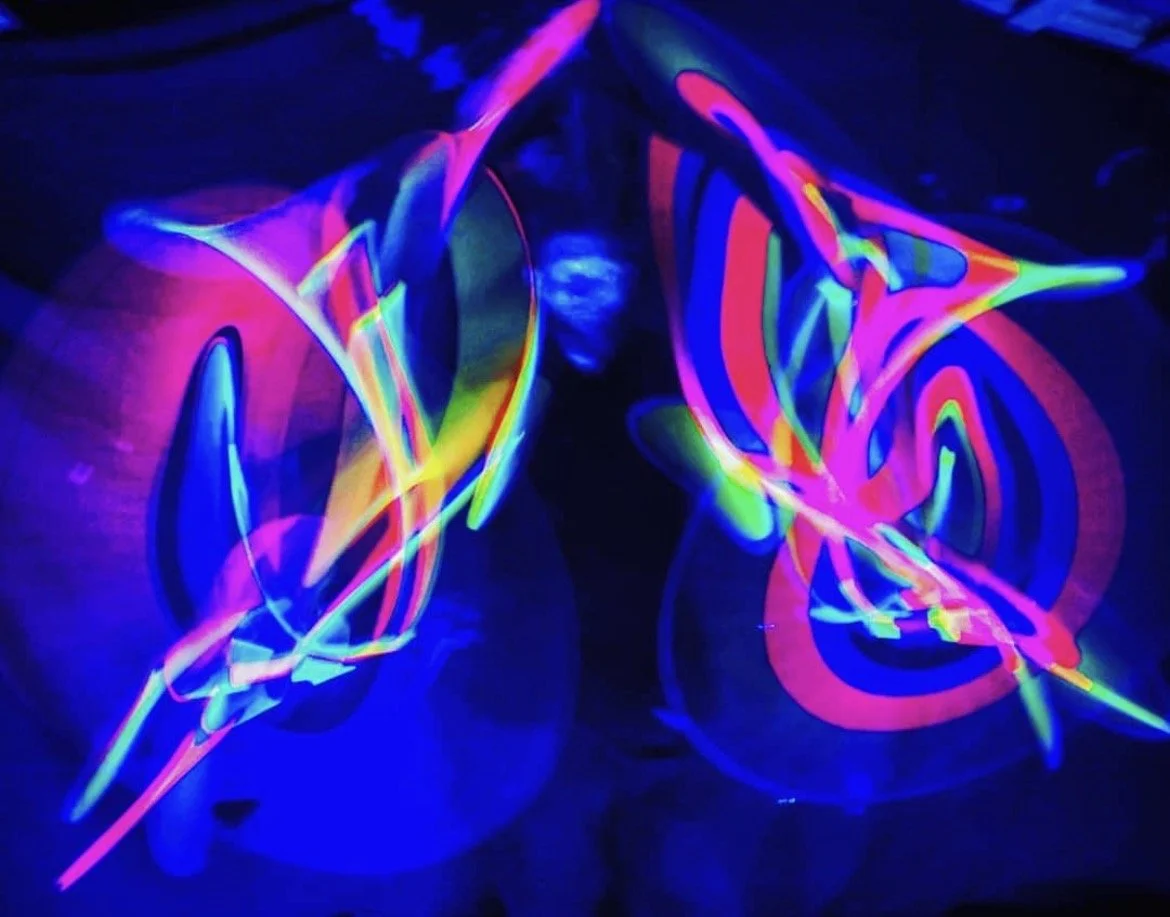
In this episode Jeremy talks with Jason Daniel Lee about his martial journey, music in martial arts, and the role of flow training.
Jason Daniel Lee - Episode 1172
SUMMARY
In this engaging conversation, Jeremy chats with Jason Daniel Lee about his multifaceted journey of martial arts, the impact of bullying, and the unique training methods that have shaped his practice. They delve into the significance of music in martial arts training, the evolution of techniques, and the importance of personal connections with instructors. The discussion highlights how the 1980s influenced many martial artists and emphasizes the role of flow training in creating a dynamic practice. In this conversation, Jason Daniel Lee discusses the integration of music and rhythm into martial arts training, emphasizing the importance of flow and understanding in martial arts. He shares his journey of learning various martial arts styles, the significance of training both sides of the body, and the academic approach to martial arts as a problem-solving endeavor. The conversation also touches on the evolution of martial arts training and the life skills gained through martial arts practice.
TAKEAWAYS
The conversation emphasizes the importance of personal experiences in shaping one's martial arts journey.
Bullying can be a significant motivator for individuals to pursue martial arts training.
The 1980s were a pivotal time for martial arts, influencing many practitioners' paths.
Unique training environments can foster creativity and adaptability in martial arts.
Music plays a crucial role in enhancing martial arts training and flow.
The concept of flow training allows for a more dynamic and engaging practice.
Personal connections with instructors can deeply impact a student's martial arts journey.
The evolution of martial arts training methods reflects broader cultural shifts.
Understanding individual learning styles is essential in martial arts education.
The integration of different martial arts styles can lead to innovative training techniques.
Flow in martial arts connects both sides of the brain.
Understanding the tool is crucial for effective training.
Training both sides of the body is essential for martial artists.
The best martial artists are lifelong learners.
Martial arts should be viewed as a problem-solving discipline.
Life skills learned through martial arts are invaluable.
Cross-training in various martial arts enriches understanding.
Martial arts should not be worshipped but appreciated for their evolution.
Knowledge gained in martial arts can benefit others.
CHAPTERS
00:00 Introduction
01:13 The Journey Begins: Early Influences and Training
06:00 The Impact of Bullying and Finding Strength
11:46 Exploring Unique Training Methods and Environments
17:59 The Role of Music in Martial Arts Training
26:46 Training with Rhythm and Flow
33:16 The Journey of Understanding Martial Arts
41:02 The Evolution of Martial Arts Training
49:10 The Academic Approach to Martial Arts
58:03 Life Skills Through Martial Arts
To connect with Jason:
nextleveljkd.com
nextleveljkd@gmail.com
Join our EXCLUSIVE newsletter to get notified of each episode as it comes out!
Subscribe — whistlekick Martial Arts Radio
After listening to the episode, it would be exciting for us to know your thoughts about it.
✅Subscribe to whistlekick Martial Arts Radio on the following platforms:
🎧Apple Podcasts: https://apple.co/3mVnZmf
🎧Spotify: https://spoti.fi/3yHVdHQ
✅You can find whistlekick on all social media platforms using the handle @whistlekick or visit our website at https://www.whistlekick.com or https://www.whistlekickmartialartsradio.com
Show Transcript
Jeremy (05:59.941)
Hey, what's going on, everybody? Welcome or welcome back, hopefully, to another episode of Whistlekick Martial Arts Radio, the world's number one traditional martial arts podcast. And on today's episode, I'm joined by Jason Daniel Lee. Jason, looking forward to our chat today. Thanks for making the time. And to all of you out there, of course, all of you out there, thank you for making the time. Thanks for joining Jason and I as we're about to have this conversation. Two martial artists talking martial arts.
Jason Daniel Lee (06:17.402)
Thanks for having me.
Jeremy (06:29.028)
And that's all I know so far, because we haven't started yet. You're here at the beginning. This is organic in the truest sense. We don't record these after the conversation. Now, if you like what we do, make sure you're subscribing and sign up for the newsletter and all that good stuff. And you can go to whistlekickmartialarts radio.com for all that information. And if maybe you want to join us at one of our events or pick up a shirt or see the other things that we do organizationally, because Whistlekick does a lot more than this podcast, you can go to whistlekick.com. And with that, Jason.
Welcome to Martial Arts Radio.
Jason Daniel Lee (07:01.349)
Thanks for having me. It's awesome. Awesome to be here.
Jeremy (07:02.606)
Yeah, thanks, man. Thanks for thanks for coming on. Thanks for for doing this. I I'm I'm gonna be honest. I'm gonna ask you to be a little gentleman with me. You are number four today. This is the fourth time we're doing this today. I am I mean I'm I'm I'm ready to go. I'm ready to go. I I did it I did a couple burpees in between. But it's it's a lot. It's a lot. Conversation can take a lot out of you.
Jason Daniel Lee (07:14.254)
Wow.
Roll.
Mm-hmm.
Jason Daniel Lee (07:28.91)
it can, yeah. yeah. yeah. yeah. It and and I I don't shut up sometimes, so you know, just redirect me if I get to be too much.
Jeremy (07:39.793)
That is a common trait do you teach? Do you do you d okay. I I I don't I don't know what it is. There's it seems to be a common trait among we, and I am including myself, martial arts instructors, that we are really good at talking for lengths of time.
Jason Daniel Lee (07:46.039)
Yes, yes.
Jason Daniel Lee (08:02.638)
Mm-hmm.
Jeremy (08:05.035)
often about nothing.
Jason Daniel Lee (08:08.173)
Yep. Where yeah, where is that? Where what does that come from? You know, is that that little thing in our head that's always searching for something new?
Jeremy (08:09.808)
I don't know where we get that from.
Yeah, where's that where's where's that?
Jeremy (08:19.64)
Or maybe, you know, I I th I I wonder if my instructors developed it as we sat in horse stance and they just they were trying to hide the fact that we were being tortured and they were trying to distract us from the torture. Maybe that was it.
Jason Daniel Lee (08:30.978)
Mm-hmm.
those days my legs still hurt.
Jeremy (08:38.208)
yeah. Yeah. Yeah. Our I was I was reading the the bio that you sent over and you and I started right about the same time. So eighties were were kind of a golden era for for martial arts and for kids getting into martial arts. I I I'll tell you when I when I talk to people on the show who started as kids in the eighties versus started as kids in the even the late nineties.
Jason Daniel Lee (08:46.743)
Really?
Jason Daniel Lee (08:54.24)
Exactly.
Jeremy (09:05.794)
It's different. It was a different experience. What you you you I mean, I'm not gonna make any guesses as to your age. I've learned not to do that to people because they always surprise me. But you were a you were a kid in the eighties when you started?
Jason Daniel Lee (09:19.359)
Yeah, I started when I was six years old. I was I started Taekwondo. And that one that was with Grandmaster, I think his name was William Chung, Jacksonville, Florida. He pretty good, pretty good school. I I I mainly started because I wanted to learn Chucks. Nun Chucks. So I saw Bruce Lee swinging him around, game of death, and I saw a girl Dan standing there fighting him with the stick, and I was like, I wanna learn that stuff and
Jeremy (09:21.56)
Okay. Yeah.
Jeremy (09:39.192)
Mm.
Jason Daniel Lee (09:48.938)
But I went and did taekwondo for a little while and then 'cause I also had a bully problem as a child. I had neighborhood bullies. And back in the eighties it they they depict it in every eighties movie possible, dude. It was always those three or four bad kids and they always you know what I mean? They always rough you up for your lunch money. It was a typical martial arts movie too from the eighties. And you know, it that was what really sparked me to do the martial arts was seeing Bruce Lee doing all that.
Jeremy (09:55.96)
Yeah.
Jason Daniel Lee (10:17.345)
Crazy, amazing stuff. But then not only that, I felt like I was tired of being bullied.
Jeremy (10:22.606)
Yeah. Were were were your parents aware of that reason? What did what did they think?
Jason Daniel Lee (10:30.82)
yeah. My dad was like my dad wanted me to defend myself. My mom not so much. She didn't want me to get into the trouble and all that other stuff. And I'm like, come on, I'm not gonna get in trouble. I just wanna learn how to do some stuff. And eventually got me in it and my parents were aware of the bully situation and everything, but they were just those kind of kids. They just they hadn't I I guess their parents just didn't raise you know, they just let go. So it was it was that kind of stuff, but
They were aware of it and I got into the martial arts and it just started clicking for me and especially when you know, I I was a very ADD child. I couldn't keep my mind focused on anything. I was always having to do something. I was a even as a child, it's actually funny because I was sitting there asking myself the other day, where's my toddler getting all this fighting from and everybody was like, you did that as a kid. Yeah, every couch cushion in the house you were fighting with it at three, four years old.
So I guess it was just, I don't know, maybe in my blood or something. I don't know. I just f I felt that calling. I w I I I enjoy that type of stuff. But we started the, you know, after that, I felt hopeless after I the bullies beat me up after I'd been training this time, you know, and I finally, you know, I was finally at a point where I had to defend myself and I couldn't. And that turned into I I guess like
Jeremy (11:34.596)
Ha ha ha.
Jeremy (11:48.696)
Mm.
Jason Daniel Lee (12:00.958)
Turned me away from martial arts for a little bit as a kid and then, you know, started realizing, you know, and all that other stuff. And then my mom was just like, That martial arts stuff didn't work. And then I was like, All right, I'm just gonna learn weapons. So we as a kid. Yeah, so I was so I didn't even know it yet because there was this little place in the eighties called Lee Marqueys and
Jeremy (12:17.358)
Which is what you wanted in the first place.
Jason Daniel Lee (12:30.201)
It was like a a badass weapon shop. Every weapon you could imagine was in there, all that stuff. I'd have been in there multiple times as a kid and never really realized that three years later, those people that I had met earlier never even put it together till I was in my teens that that was the same school that I was about to start at where I met this guy who was obsessed with nunjunks. And so
Yeah, so I s I went into Taekwondo for a couple of years and then I ended up at Master Lee Bardon's dojo in nineteen eighty nine. little by that time he had moved to a smaller location. It was basically a house with a garage. And we learned real quick about environmental sparring because you when you gotta go around all the support posts in there and you know, you're going back and forth, that adds a whole new dynamic to your
your training. but that was that was from then on, that was the life. That was that was the life for me. Once I had found I walked in to this place and I saw these these weird little things that look like chopsticks connected with a string. And I was like, what are those? And before I could even get it out of my mouth, he just this man with a mullet just comes running around the corner and
Jeremy (13:29.2)
Sure does.
Jason Daniel Lee (13:53.669)
With this big smile on his face, and he's like, These are pro chucks. And I was like, What are pro chucks? And he's like, well, let me show you. And he picks them up and he starts spinning them around his fingers and around his hands, throwing them behind his head, catching them while he's talking to me, just swinging them around like crazy. And I was like, Man, what is this? And he's like, It's it's a martial art. I was like, That's a martial art. He's like, Yeah, and and it it doesn't just stop at what's in your hand, it's it it's everything. And I was like, It's everything. Okay, well, I just want to learn the chucks.
Jeremy (14:20.784)
Mm.
Jason Daniel Lee (14:23.948)
And he's like, well, if you want to learn the chucks, you gotta learn how to fight and defend it. You know what I mean? So it was one of those types of things. And I was like, okay, I see, you know, all right, but I didn't like the fighting at that point because I had already had martial arts. And at that time when it did not work, which we'll get into more why it didn't work later, the the fact that it didn't work, I think, sort of shocked my nervous system. And for a longest time I did not feel comfortable putting gloves on.
Jeremy (14:30.328)
Mm.
Jason Daniel Lee (14:54.026)
And then we ended up getting to a point where I started learning this, learning the chucks and everything and started enjoying it and I wanted to go further. And he said, You gotta start doing it. So what he did was he handed me some padded pro chucks. And he's like, Okay, you're gonna spar. He's like, So I felt comfortable. I was like, wow, I've I feel at home with these, you know. And I you know, there was no fist gonna be flying at my face. And it doesn't sound too
Jeremy (14:54.552)
Mm.
Jeremy (15:18.112)
Yeah.
Jason Daniel Lee (15:24.749)
Doesn't sound too smart to think of now because I had high speed sticks flying at my s face instead of punches, and I'd rather have a punch than a stick, you know, the tip of a stick, that's for sure. Most punches, most of Not all, but most. I've eaten a lot. but the thing that that that really set this apart was and we'll talk about that more in a little bit too, is the fact that I was
Jeremy (15:40.868)
Ha ha.
Jason Daniel Lee (15:52.45)
Basically, I think my mind worked a little bit differently and I couldn't I was too all over the place with structure. And I understand people need structure, but some people just can't have a a they they can't start with a structure. You know, and that was the way my mind worked, was because I I I started noticing things like that early on in life. Like I didn't typically think of things how other people thought about things.
Jeremy (16:02.052)
Mm.
Jason Daniel Lee (16:21.759)
I was always asking questions. I always wanted to know why that worked and how that worked. And I was very inquisitive as a kid. You know, I I mean I was building things when I was younger. anything I could build, I I tried to build it. And the perfect thing about that also was the fact that when I ran into him, that's where I started my journey as a woodworker. Because I told him I want to apprentice and learn how to make these pro chucks.
Jeremy (16:49.424)
Hmm. cool. How old were you when you said that?
Jason Daniel Lee (16:52.383)
I were when I when I was I was probably about thirteen about that time. And because I had been with him since I was nine. So I was about four years in at that point. And so when I started apprenticing and doing all that stuff, I started learning how he made the chucks and you know there were so we d we did all that stuff, but then I really started getting into
Jeremy (16:56.57)
Okay.
Jason Daniel Lee (17:20.762)
Once he became a little bit more commercial at some point, he had to to survive, and I didn't I didn't blame him. I just didn't go around the commercial side of it much because I never was a commercial person. I I was I never felt myself I even never felt myself as a teacher, but it was it it was thrown on me by Lee with trial by fire, you're gonna do it. And so
Jeremy (17:34.896)
Mm.
Jason Daniel Lee (17:46.491)
I was like, okay. And you know, I I I wasn't that type of person. I I just I didn't want to be in the spotlight. I didn't I didn't want that. you know, and I just wanted to learn how to survive, basically. And that was there was a lot of bullying where I grew up, stuff like that, you know, and that that alone you're learning how to mentally survive. you know, and that that's a big toll on you as a child. And you know.
With life and everything else, but the the amazing thing about it was the martial arts. And when I met Lee around that time, that's when my whole life changed. I became a dojo rat. You couldn't the there was days they were like, You gotta go home and I'm like, I can't He's like, Why? I was like, Because I just love this place And he's like, You can't live here, you know, it you gotta go home some days and see your parents and it was I just lived there, man, and it was
Jeremy (18:27.46)
Hmm.
Jason Daniel Lee (18:42.185)
But like you said, back in the eighties and the nineties, there I I started in the eighties and I remembered that portion of it. And back then it was a lot more to so so my side of it was it was a lot more hardcore, I guess. The the things that the schools that were around there were so structured you had to stand there and stare at that instructor for thirty seconds and ready stance, you know, and extreme structures and stuff like that. And so you know that
Jeremy (18:56.144)
Mm-hmm.
Jeremy (19:04.185)
Uh-huh.
Jason Daniel Lee (19:11.752)
That that sort of I don't know, that sort of weirded me out as a kid, you know. I'm like, why you guys stare at me for thirty seconds in a ready physician? I I don't feel comfortable making eye contact as it is, you know what I mean? And at this point, I'm still trying to figure myself out as a child, you know? And but it a lot of that stuff, you know, it was brutal and the the every night after class we would we would do what we would call some flow warm up or warm down,
get the black lights out and we would pull these chucks out and we would have black light we would have black light basically because the black lights create trails and they show the patterns that we use in the Lissaju flow system to for weaponry for for sparring for everything so so that was a part of our class every night so it was pretty cool so we got like these 80s blacklight nights and then
Jeremy (19:45.064)
cool.
Jason Daniel Lee (20:09.072)
But before that or after that, here comes all the challenging schools from the other side of the the do you know, the other side of the of the city, and they would come over and say, Your school sucks, and then people will come I've literally got videos of this. I'm actually gonna start posting some of the old videos on my YouTube because it's just crazy stuff. Like we literally had the school like full almost every night of other schools just coming in and we were just hardcore sparring.
And we had one guy back in the 80s, his name was Chip. And this is what really got me back into training Taekwondo a little bit. Okay. Chip was a taekwondo guy. He was a plumber by day, face kicker by night. I guess he could jab you his foot. Like, I literally, like, I was like, there's no way anybody's got a foot fast enough that you could just kick everybody in the face. And sure enough, this dude was just not.
Jeremy (21:02.06)
Hmm. And he could.
Jason Daniel Lee (21:03.535)
He would never throw a punch. I've got thirty minutes of video of him just walking a guy around the room with his feet and it was just never through punch. And so that's another thing that sort of opened my mind at the at the beginning too is because I was sort of closed off from that. So then I saw that and I was like, wow. But then, you know, I also grew up with a bunch of people coming in and you either got humbled or got knocked out. And one of those two things was more than likely ninety percent of the time the people with egos, we all became friends.
Jeremy (21:10.714)
How funny.
Jason Daniel Lee (21:33.294)
And then we started, you know, spreading out and training with each other and learning different things. So it was like they would come in and say, Well, your stuff sucks and then, you know, get slapped around a little bit by someone's foot, you know, just one foot. And it's like, What what the hell was that? you know, and then people just started coming in. We started exchanging ideas and doing all that stuff. But the one thing that set us apart it was the black light training that that was really cool for us.
Jeremy (21:59.897)
Hmm. Can you talk more about that? Because that's not something I've heard anyone tell before. Yeah.
Jason Daniel Lee (22:05.88)
Okay, so yeah. so there's this thing called Lisse Jou patterns. Antoine Lisse Jou was a French physicist. How this came about, my teacher's teacher, he Lee traveled the world. Lee saw Bruce Lee, all that stuff. He he got in, you know, he he wanted to learn chucks. He traveled the world. I mean, he left from he left from where he was born in Kansas, he went into Florida.
He joined the Navy. He traveled the world. He looked everywhere. He carried Chucks with him everywhere. Everybody started calling him Lee because he just he was just always swinging Chucks like Bruce Lee. So so he traveled the world and finally came back just depressed. And it's like, man, I've been everywhere. I can't find anybody to train, you know, that I want to learn the Chuck Master. And he was at a bar talking to a guy and he's like, dude, I got someone you need to come see. so
He takes him over to this guy's house and it's all dark and there's black lights on and there he said there's just like a wall of all these different colored things everywhere. And he said they were the pro chugs. And so basically he walks in and he's like, So you're the nunchuck master? He's like, sit down. Didn't say anything else. Turns on some pink Floyd and pulls out these things that are just glowing, they're yellow.
He starts swinging them around and he said there was just trails everywhere. You could just see these just trails of motion going around. He said, But it was really weird because it was synced to the music. And what he noticed there was he wanted to do it. It was something different. So this was 1974. he started training with him, stayed with him for years, got certified under him.
Jeremy (23:43.736)
Mm.
Jeremy (23:49.324)
Yeah.
Jason Daniel Lee (23:59.467)
He ended up going and opening his own school. That is the school that I ended up at. And then that's how we met. So basically going back into the Lissaju legacy stuff. basically what this is is this was Of course there's someone pulling in. We're gonna have to cut this for a second.
Jeremy (24:23.928)
It's okay. Yeah.
Jason Daniel Lee (24:24.566)
Hold on one second. I'm gonna pull over here where they're not. I mean you pull in, you pull in next. I don't care if you cut this anyway, because I I I flow with life as it is, so I don't even care. I'm just gonna get out of this guy's way. Look at this. Look, I can handle anything, right? Don't cut it. Who cares? They people need to see reality, right? Isn't that what life's about? Where we need to be more real with people. All right, are we still here?
Jeremy (24:49.839)
We're still here.
Jason Daniel Lee (24:51.39)
All right. So that never happened. nineteen seventy-four was he when he started training with him. And from there on Lee started furthering the the work that he had learned and basically what it all had boiled down to was Antoine Lissageoux was a French physicist and he chimed he he discovered that sound traveled in patterns.
Jeremy (24:59.93)
Mm-hmm.
Jason Daniel Lee (25:21.481)
So he took two tuning forks, chimed them right angle over a body of water, and noticed that there was these frequencies floating across the water. So he started seeing those. So as people started developing and furthering technology, we got the things which are known as oscillopes, where you can basically generate a tone. one of the best ways I could think for somebody, and if you've never seen this, you could actually go on YouTube and look this up, look up
Sand on a speaker. So basic basically what they do is they take a plate and they'll generate a tone through a speaker. They lay it on the speaker, they put some sand on there, and it forms those frequencies. If you look at those frequencies, those frequencies are relevant to motion. And that motion very much opens up a 360-degree view of everything that you were just standing here when you when it finally hits you.
Jeremy (25:53.488)
Mm. Yep.
Jason Daniel Lee (26:21.193)
When it finally hit you, because it didn't hit me until my teacher had left. The things that he was trying to tell me didn't hit me till then. And that's the crazy part. Cause I would love to have him here to ask more questions about this. once it hit you, it became a this isn't this style and this style can't be mixed, or you know, because there's a lot of people against that.
Jeremy (26:31.418)
Mm.
Mm.
Jason Daniel Lee (26:48.595)
There's a lot of people that don't want to do this with that, but I viewed it more from a
The way that I looked at it originally was like, well, some I just saw a guy walk a guy across the room with his foot, not throwing any punches for thirty minutes, and then one guy over here is just steadily using hands on another dude who's throwing kicks and punches and walking through So why are these things that are that I'm seeing right now, why are they working? Well, because what it was, it was the individual. Yeah. The individual if if if they can
If they can do a technique that's comfortable to the way that their physique is built, the way that range of motion is had. And they next learn how the best thing for their build, basically. and then you have to learn it. You have to practice it. And then after you practice for a while, you gotta learn how to functionalize stuff. And that's what that's what
Jeremy (27:33.167)
Uh-huh.
Jeremy (27:54.672)
Mm.
Jason Daniel Lee (27:57.391)
I think opened my mind up so much was being around something like that so young. And I mean, shoot, when the Gracies started getting big, they were the first ones in our dojo. And this was a dude with a mullet wearing a black belt all the time, you know, and they're they're just like, what is this guy? He's swinging around chucks, you know. But he learned all this stuff, you know. And I think that that the simple circle, which is called the one to one, which is what we call the commanding ring.
It's just a circle. There's so much we can do out of a I I could do, I could think of hundreds of hours of drills to do out of a circle to teach everybody not just the fact of how to go in a circle, but how to rewire your brain to go in a direction it's never gone before. Or we could even go into maybe this guy wants to look flashy for a martial arts movie, so he wants to do a hand roll to a throw. We'll put that out of a circle.
Jeremy (28:44.997)
Mm.
Jason Daniel Lee (28:54.742)
we can do so much out of these circle drills. But also here's where it gets a little bit different. I'm not sure if you are familiar with the flow crowd, which is like they do hula hoops, poi, fire. basically it's just basically a a a a a form of movement, a form of dance. It's it's like
Jeremy (29:11.418)
Okay.
Jason Daniel Lee (29:22.286)
I guess you could call it it's like a Chi Sow without another person there. So so you're basically learning how to flow all these things around. So here's where where it starts everything starts to get a little bit different was the fact that back in the nineties and eighties we were being made fun of for doing something out of flow. And but nowadays I'm starting to hear people talk about that. And the flow that we were doing.
Jeremy (29:26.104)
Okay. Okay.
Jason Daniel Lee (29:49.335)
was not just dancing around looking like fairies in the black light. We were traveling lanes of motion with weapons at high speeds around our body to music. Not but but not keeping it as simple as doing a one-to-one on beat. We were sitting there playing songs from every different genre that from rock to heavy metal to everything, keeping up with the drums, you know, doing strikes this way over the head, back
Jeremy (30:18.512)
Mm.
Jason Daniel Lee (30:18.85)
That way, something we call breaking the phase, which is basically breaking the phase is basically you're doing your circle, but you want to bring this over to here. So you do that without interrupting that circle. You're breaking that phase, and everything still stays in motion. Lot to talk about on that one. That's just a that's a whole two hour thing in itself. for
Jeremy (30:39.664)
Sure, sure. I I I'd like to talk about the music. Because it sounds like
Jason Daniel Lee (30:47.64)
Yes.
Jeremy (30:52.142)
I know plenty people that train with music, but if I heard you correctly, the music is not just an accessory, the music is a component. Like this is something that is part of how you're you're thinking about this training. Did I did I understand you correctly? Okay. Could could you talk more about that then? Because that I that sounds in sounds significant.
Jason Daniel Lee (31:10.465)
Yes.
Jason Daniel Lee (31:18.051)
Okay, so there's
Well, when we had a big group together, we used to do a show at the Museum of Science and History proving all this stuff. And what we would do is we would get a symphony of flow martial artists together. We would have someone because the hula hoop basically is a circle and that represents what we teach out of. all this stuff we had basically a symphony set up. The person with the hula hoop would do the flow to this certain instrument.
The people with the Chucks would do this. We had we even had like Samsonite suitcases set up on the side of the stage that we would play as drums with the pro chucks. so basically what we would do, we we would do this stuff to music. But but it was also being a a performance, it wasn't just a performance. You were also training at the same time. Because if you were actually trying to keep up with those broken rhythms in the music, you're
Also starting to break into another territory of somewhere where you do not train with something that's static, such as a stick. Because let me see if I got I got a pair in my car. these are the pro chucks, as you can see, you know, the strings shorter. So basically it's for a faster response for more consistency. a lot of people say they're smaller, they don't hit. But the thing is, is they become sort of a pendulum when
You're training to this music. So now you're breaking into another thing. So you've got your fast twitch fibers are starting to get activated, but not only activated for a punch or for this or for that. I might have done a strike back over my head to follow that frequency from the music because now all of this is starting to line up. You can start to hear
Jason Daniel Lee (33:13.002)
The lanes of travel that you're doing, right? The the the one-to-one, all of this stuff, you're getting it to the beat. You're finding whether you're with the snare, whether you're with the bass, whether you're with the guitars. Sometimes you can even go with lyrical flow, things like that. But what it's all doing is it's not just a performance. It's not just you know, flailing around looking cool. You're training
fast twitch fibers angles that you would normally never train them. So now that if you were to sit there and do a something as simple as you know, when I do Chi Sao, you know, the the rolling hand that p lots of people like to call it different things. I just call things simple. So this rolling hand right here can be used to redirect whatever. how how else do you train that hundreds of thousands of times and and
Jeremy (34:07.022)
Mm.
Jason Daniel Lee (34:09.468)
So now I I do that. That's that's the one to two motion. So that one to two motion with the chucks that I've just been out here, you know, doing black light two to music, then it looks really cool because it sticks to the beats and all that other stuff. but it's doing a lot more because I'm also learning how to break apart my brain. You know, I've got two sides of the body firing right now. I've got the left and the right brain firing.
Jeremy (34:20.506)
Mm-hmm.
Jeremy (34:32.612)
Mm.
Jason Daniel Lee (34:36.742)
And I'm also following along to the tempo of these drums, that's also working with fast twitch fibers. the I mean just and even angles that you would never work with a stick. Because you can strike at angles with pro chucks that you cannot strike with any other weapon, being like just like with a stick and a knife. You have to you have to hold it correctly because the thumb, if you don't strike right.
Jeremy (34:49.626)
Yeah.
Jeremy (35:00.632)
Right. Right. That makes sense.
Jason Daniel Lee (35:05.169)
The it's gonna the the you know that's the weakest link right here. So if you don't hold it right, you're breaking that weakest link, you're losing your weapon. It's not like that with Pro Chucks, they're more flexible. if you can remember those little wooden snakes we had when we were kids, you know what I mean? Those little Yeah, yeah. Sort of reminds me of that. So but not only that, you know, it even goes as far as this went from becoming this is better than.
Jeremy (35:20.5)
yeah. Yeah.
Okay.
Jason Daniel Lee (35:33.582)
Nunchuku the to this is you know, Nunchucku's better than pro chucks. This just became simply this is a tool. Now, any tool is a weapon, if you really want to get that to it. I mean, I've heard people beat others with a water bottle, so I mean, you know, the the the but but to me, to me more than anything
Jeremy (35:49.998)
Ha ha ha.
Jason Daniel Lee (35:55.834)
I mean I carry them everywhere with me. You know, they go they're a part of me. And I don't see them as a weapon, but it's totally different. It's a different training tool. It's it's not only something to learn the the lanes of travel with weaponry around your body, because anything I can do with pro trucks, I can do with any weapon. It's just it's you know, it it's the physics is there. It's not, you know, everything has a different drive point. I can do a one to one with a bow, but
Jeremy (36:13.712)
Mm.
Jason Daniel Lee (36:23.728)
But what I'm going to be doing with that bow is driving it at a different point than I'm going to be making that circle with my chucks. So it just go all goes back to there's so much you can just do off of off of a circle. And the the music, I think the music once you start getting into the music training with that, with the black light is fun. And not only is it fun, but I also I I highly recommend people when they're doing
Cheeseauer energy drills like Hoobud or anything like that. Turn on some music and just follow the beat. Follow the drums. Say, hey, I'm gonna follow the drums on this. Boom, boom, boom, boom, boom, boom, boom, boom, boom. Find that beat and then find your broken rhythms.
Jeremy (37:03.712)
Mm.
You've brought up drums a couple times, and I I understand that this is not I'm I'm not saying it's it's a direct analog, but the way that you're describing working with prochucks, creating percussive sound reminds me the only thing I can think of that sounds familiar to me that I've seen is taiko drumming.
Jason Daniel Lee (37:10.224)
Yes.
Jason Daniel Lee (37:35.013)
Never heard of it.
Jeremy (37:35.611)
I don't know if you Okay. So Taiko drumming is a style of drumming out of Japan where they're using these huge drums and it's it's performative and it's musical. And anybody in the audience out there that that's seen taiko drumming, you know what I'm talking about. It's both beautiful, but you can see it that there's a different quality in the way they're swinging those sticks. It's not, you know, it's not like they're
It's not like they're drum majors in a marching band. And it would be it would be interesting. I I'm definitely gonna have to check out some some of the stuff. And I I I know I'm gonna see you in a few weeks. but it would be interesting for you to compare and see if you're not if you notice any similarities in there. Because when I the couple times I've seen Tyco Drumming Live, these are absolutely warriors who just happen to make sound.
Jason Daniel Lee (38:06.947)
Mm-hmm. Yeah.
Jason Daniel Lee (38:17.344)
Okay. All right.
Jeremy (38:33.548)
It's really kinda neat. And I you know yeah. Sticks attached with a string are gonna are gonna operate in it differently than sticks with a
Are plain sticks. But I'm trying to contextualize it. So it's it's interesting. So what I what I think I'm curious about now, I know I am, what I know I'm curious about now, you mentioned that when you started training in this system, this idea that you told your instructor, I just want to learn, I just want to learn this. This is cool. And he said, No, you're gonna learn the whole thing. So tell me more about where the understanding of this tool.
Took you in your training.
Jason Daniel Lee (39:22.135)
That one, the understanding part of it. man. that took a while. That did, it didn't. It took me it took a lot of things to click with me. Flow did flow just clicked with me. That was one thing. And I always had, even after I started doing the chucks, and until I started doing more Kali left and right drills, I wasn't being forced as much to do the chucks on my left side. So when I started doing Kali, that really opened up.
both sides of the brain. So then six months year later I was amidextrious with writing. So that had to have done something for my brain. so 'cause I'm left handed with some things, right handed with others. throw punches better with my right hand. I can, you know, left hand is how I turn wrenches, you know, I I don't I don't know, backwards wiring or something. But
Jeremy (39:57.22)
Mm. cool.
Jeremy (40:16.206)
I I've got some of that myself. Certain techniques and it and it doesn't make any sense. My kicks, some kicks are better on the left, some kicks are better on the right. in my in my kickboxing stuff of the of the four techniques, three are better on the left, my hooks, my right side hooks are better. They just are. It's inconvenient because I'm left side forward, but it just is what it is.
Jason Daniel Lee (40:18.283)
Yep.
Jason Daniel Lee (40:24.257)
Mm-hmm.
Jason Daniel Lee (40:36.043)
Yeah, yeah, it's odd.
Jason Daniel Lee (40:42.059)
Yeah, I'd like to find out all this stuff. I wanna w I wanna know why. I wanna know why. Is it is it was there was there some kind of injury the body didn't tell us fully about yet that it was protecting itself from on that side, so that's why it were you know, it's weird.
Jeremy (40:54.798)
Or maybe it's just because life is interesting. Could could could be that too?
Jason Daniel Lee (40:58.048)
yeah. No tells you. But yeah, it's that's that's definitely where I think I think anybody that trains martial arts you should train both sides. I I've even had people in the past couple years tell me, nah, you only need one good side. Well, not if you stick sparred. No, because if you actually go out there and stick spar with someone and they take your hand out, you know, you need to have that fully functional, you know, as much as possible. I want a backup.
But
Jeremy (41:28.718)
Right. It I I think it depends on the application. Right? If your goal is to go be a pro fighter, maybe you're better served putting the time in on that single side forward. But if you're a martial artist, you're gonna learn a heck of a lot about yourself and the application and the process in training the other side. I I I you know, I don't I don't know if you you shoot guns at all, but
Jason Daniel Lee (41:32.766)
It is.
Jason Daniel Lee (41:38.357)
Mm-hmm.
Jeremy (41:56.985)
I was thinking as you were saying that, you know how much I would learn about shooting if I learned to shoot opposite hand? I mean I've done a little bit of pistol work that way, but if I learn to shoot a rifle the other way, holy cow, I'm I'm gonna be not just back to basics, but twenty twenty feet before that.
Jason Daniel Lee (41:57.215)
Yeah.
Jason Daniel Lee (42:04.021)
Mm-hmm.
Jason Daniel Lee (42:13.363)
Mm-hmm. yeah. I mean yeah, you gotta think of all those those things like what happens if someone breaks into your house and you injure your finger on the way out to grab your gun, you know what I mean? And now you've now your brain is not trained on that side to fire that gun as quickly or consistently or you know, so and it's that's why I think that's that's one of the things that has become the most important to me, 'cause the more I go in martial arts, the more I I don't even know anything.
Jeremy (42:23.962)
Sure, could happen.
Jason Daniel Lee (42:43.356)
That's just that's the way I feel I hit a certain point. I was a young kid with a black belt and I was a black belt for a couple weeks and then that next black belt came in and wiped the floor with me and I learned, it was my skill that sucked, not my belt. Okay, so that's that's that's where the other stuff came into play. So So yeah, after that. Yeah, it's you
Jeremy (42:44.048)
I
Jeremy (42:52.142)
And you knew everything.
Jeremy (42:58.008)
You knew nothing.
Jeremy (43:06.202)
The the the best martial artists I know are the ones with the least confidence in their skills. Because they keep learning. They're like, I'm terrible at this, I'm gonna keep learning.
Jason Daniel Lee (43:20.356)
Yeah, and that's that's that's it's like I said, every everything, every skill that you learn that you can functionalize for yourself. that's what that's where the the physics part came and kept coming in still is like I I had I don't look at martial arts as I'm for this system or I'm from that system. I look at them as something to put in my tool belt all the way around, you know. I need that knife skill, I'm gonna pull this. I need that Wing Chun skill, I'm gonna pull this. If I need
The tie boxing, I'm gonna pull this if I need BJJ. You know, so it's like I I just and it's but god, the world of G Kundo, don't even get me started. I will talk about that because that's one thing in martial arts that I have noticed since the eighties and nineties. Another point to bring up is the lack of disrespect in today's martial artist would not have flown in the eighties or nineties.
Jeremy (43:50.864)
It's very Jeet Kundo of you.
Jeremy (44:01.86)
Ha ha ha.
Jason Daniel Lee (44:17.524)
And you know, it's they're it yeah. Yeah, I guess the the the trolls didn't have their internet connections and stuff. so it's but even in even in man, I s I see people in the JKD community fighting with each other right now over something Bruce Lee said, and I'm like, bro, you were not there. Quit fighting like you were, please stop. And it's not even people like Guru Dan on that you don't see Guru Dan or no one going around arguing with anybody because he was there.
Jeremy (44:19.224)
It was hidden. It was there, it was just it was quieter.
Jeremy (44:26.672)
Right. Right.
Jason Daniel Lee (44:45.988)
These dudes are literally trying to argue like they were there and I'm like, dude, y'all weren't even born unlike two years later after his death. So come on.
Jeremy (44:51.696)
And let me guess, it what they're arguing about really doesn't matter that much. It doesn't change the way they train. It doesn't change what they're doing. It's it's nerds being nerds at a at a it's it's it's no different than arguing about, you know, a particular magic card or going to a convention and asking the actor, you know.
Jason Daniel Lee (44:58.286)
Yeah, no, no, it doesn't. Yeah.
Exactly.
Jason Daniel Lee (45:08.824)
Yeah.
Jeremy (45:19.832)
You said this in episode four, but in episode twenty seven, you said this and those two are in conflict. And how do we reconcile that? 'Cause I can't sleep at night.
Jason Daniel Lee (45:28.57)
Mm-hmm.
Jeremy (45:30.19)
And the actor says, I I I don't know. Whatever. I don't care. They paid me money. I did a job.
Jason Daniel Lee (45:36.399)
Mm-hmm. Yeah. Yeah, it's that's well, I mean, I I'm just one of those people, like I finally hit a point in life where I was just like, look, either you're gonna you you enjoyed Bruce Lee as a child and he was something that turns you into information sponge.
Because of the way he thought, not only was his martial arts badass and he was quick and all that other stuff, we all wanted that. But also there's that crowd that's "We are Bruce Lee and you're not." Nobody is. Nobody's Bruce Lee. Nobody's you know, nobody's you, nobody's me. There's there's Everybody is an individual. And I think when we stop arguing about who's better over what, the individuals are gonna start realizing that when they have more available knowledge to them, that it's better than just staying on one track.
And now I do agree to a certain point, if you're gonna be good at boxing, you need to go in, you need to do some boxing, you need to learn some structure, you need to learn some footwork, you need to learn all the good and I like I like cross training everything that I can, as long as I can. The only reason I didn't even get certified in some things is because life moved me around. so but I love arts. I love it all, and I mean once you get down to it.
the the the commanding ring is just there they're if you really boil it all down there's just really one kick and one punch if you think about it. It's all in replacement. Well I mean it's someone's like, well this is this is a jab. Okay, well that side of my body's for it. But if I put this back and change my stance, now that's a reverse. So I mean it's just still a punch. So I'm not trying to like
Jeremy (47:11.586)
Hmm. Say more about that.
Jason Daniel Lee (47:30.653)
And yes, there are technically, you know, we could go on for hours about this, but the whole thing about it is is now this is a punch, but what angle it is is what creates what that punch becomes. So so you know, it's it's I when I'm punching, when I'm going to go throw a punch, I'm looking for an opening in their guard if they've got a guard up right. So I'm not thinking
Jeremy (47:46.936)
Mm.
Jason Daniel Lee (48:00.639)
Well, maybe I'll do a s jab or I'll do a cross. What I'm thinking is when I'm in that position, I'm going to follow that circle and see which line is broken to get in with. So that's how that's how I and not everybody can think like that. I don't expect everybody to think like this, but that's how my brain works and that's how I view when I'm sparring is I see that circle.
Jeremy (48:14.697)
Mm, sure.
Jason Daniel Lee (48:27.955)
Because that circle's there also as well. It's it's there with with rolling and chi sal. If anybody's ever done rolling and chi sow, we're doing a circle. But what are we doing a circle of? We're doing a circle of structure. We're learning that the bone sal, you know, this here, we're learning the structure of that because when you're rolling and you're pushing and you're feeling that energy feedback, that that's actually that's one percent sparring. And that's part of functionalization.
So you know, and people say that it's not, but it is. And I because I've I've literally sparred with people who have mainly just done things and this is where it crosses back into the flow too. The flow community that has done all these movements basically, but they're not weapons. They're, you know, poi are basically balls on the end of a string.
And they light them on fire or they just you know they glow or whatever. So they they use those and they're traveling the same lanes of motion that we're doing with the weaponry and everything. But one thing that also crossed in between those two lines was anybody who ever did any kind of flow arts ever and had never done a martial art before, that I taught martial arts, they had an understanding of Chi Sao. Right out of the gate. I they didn't have the mental understanding.
Jeremy (49:22.617)
Mm-hmm.
Jeremy (49:47.28)
Like I said.
Jason Daniel Lee (49:52.029)
But they had that qi understanding. You know what I mean? The way so I think there's a big there's a big thing in there, there's a lot more to it than just this is a flow art, this is a martial art. Like I tell everybody, I teach I don't teach I teach, you know, the the the systems that I am certified in. I teach the original stuff because I want it to be preserved.
Jeremy (50:19.824)
Mm-hmm.
Jason Daniel Lee (50:20.146)
But I also teach my version of let's get you to be a quick good martial artist right off the bat so you can come back in and learn these things if you want to. You know, I give everybody a piece of everything because I don't see there's certain people that certain systems fit and others it just doesn't, you know? And it's I hate to give people
an ultimatum and say, well if you want to show up for John Fawn Gung Fu on Tuesday nights, you've got a you y you know, that's no, I'd rather give them a little bit of everything in in the classes. you know, and but also I've got a structure to it to where, you know, I've I've taught people energy drills for three four months and just basic jabs and crosses and stuff like that. And then you throw gloves on them and they can pretty much react.
Because we basically what we did was we started with cheesewell and energy drills and all that other stuff. Worked everything from you know, stick drills into knife drills into empty hand into grappling on the ground flow, everything from top to bottom. And you know.
Hopefully I'm doing it right. You know?
Jeremy (51:36.868)
Hm. Yeah. Well it it I I don't think there's a right way to do any of it, right? We just kinda figure out what what seems best and I can see the logic in in in what you're doing. Yeah.
Jason Daniel Lee (51:42.277)
Yeah, I don't think there is.
I'll probably be teaching.
probably teaching different five years anyway. So it's it always changes, you know. That's a that's the thing about growing. You're always gonna change.
Jeremy (51:56.281)
Right. Well and and I would say hopefully you are teaching differently in five years, because that if you're not, it means you didn't learn anything. And that would be sad. I I I lo I look at you know, you you brought up how you felt after you you first earned your black belt. And I think a lot of us who've been training a while ha understand that feeling of Yeah, I got it. Like I I gotta do some refining, but I got it.
Jason Daniel Lee (52:02.767)
Yeah, yeah, exactly. Yeah, yeah. It'd be a horrible place to stay.
Jeremy (52:24.514)
And you keep going and realize no, this is not a refinement problem. This is this is I I I climbed to the top of the the hill that I thought was the highest peak, and now I'm looking out over this vastness, and it is daunting. And the more time that you spend climbing, it seems like there's more stuff. And for a long time, that was I struggled with that. I I I found that to be.
almost counterproductive and now I I see it differently. I I how beautiful is it that the more I discover of something I love, the more I realize there is that much more that I'll never discover.
Jason Daniel Lee (53:05.612)
Exactly. Yeah.
Jeremy (53:07.052)
It's it's not literally infinite, but functionally infinite as far as my comprehension goes. And that's cool. Cause it means I'll never run out of great stuff to learn. That's fantastic.
Jason Daniel Lee (53:12.42)
Yeah.
Jason Daniel Lee (53:20.024)
Yeah. yeah. Yeah. Yeah, I'm an information sponge. I've got I I know I I and when we when we were talking about the JKD portion of it, you know, my website I call it next level JKD, but I I sort of like to be a part of the JKD world, but I'm only a part of it because I want to see the future get to see the way I guess I want people
The way I want to do the JKD is I want to be involved enough because I want it. I I think it's something that that should be included in the future. It needs to be passed on. but it also it needs to be not worshipped at the same time, you know? It it's it's being overly worshipped. Bruce Lee, yeah, there's there's plenty of there there's plenty of stuff about him. I mean, even my sifu Paul Vunak, he
He was talking about right before Bruce Lee's death, he was obsessed with Muay Thai. You know, just obsessed with it. And that's what Guru Dan said. And you know, so he he was even moving on, you know, and there he was he wasn't around that long, you know, but I could imagine what he he would have been an amazing martial artist if he was still around, but at the same time he wasn't a god.
Jeremy (54:40.718)
The the I Right. The idea that someone who was that open-minded, who initially said, Let me take these three cool things that I know and put them together and see where that's get that gets me, that he would not continue to ask the question of what other cool things are there that I can learn from and keep doing that, especially since all of his closest disciples have gone on and done just that, is it's just insane to me. Of course he would have done
Jason Daniel Lee (55:08.438)
Yeah. Yeah.
Jeremy (55:10.646)
Everything. You you you think Bruce Lee wouldn't have spent some time doing BJJ? Of course he would have. Maybe he wouldn't have shown up at you know a Gracie school, but he would have had somebody coming in that he would have been working with, and they would have been approaching it at approaching martial arts as the academic problem that I see him through his writings approaching things as. And I and I think that that's fascinating as part of.
Jason Daniel Lee (55:17.641)
yeah. Yeah.
Jason Daniel Lee (55:34.498)
Mm-hmm. Yep.
Jeremy (55:38.065)
You know, I'm not saying I got that from him, but I think he and I approach martial arts in a similar way. It sounds like you are similar as well, that there's a there's an academic component here. There's an intellectual piece. How do I solve this problem? Well, there's a lot of ways. Well, some of them suck. What are the ones that don't? How do I prioritize one over the other? How do I train that versus that?
Jason Daniel Lee (55:53.141)
Yeah.
Jason Daniel Lee (56:01.118)
Mm-hmm. Let's go. Yeah. Yeah. Yeah, I don't know. I it's when that that was another cool thing that I just brought up too is that that Lee Barden was the teacher that he brought in Paul Vunak into our school. So and that started nineteen ninety three or ninety-four, I believe, was the seminar. I still got the tape.
Jeremy (56:03.13)
That's fun to me. I know that's not fun to everybody.
Jason Daniel Lee (56:31.582)
I got kicked out that weekend 'cause I was a pass as a child. So I wasn't allowed to attend Paul Vunak's seminar, but I got to come in and watch all the stuff later for punishment. He's like, get up here. so I came in and I watched this man and it was crazy that the hand speed that he had, the the literal you know, the I just seen the this man like whack a stick out and just stop it right before his dude's head and it was just
Jeremy (56:39.312)
Mm.
Jason Daniel Lee (57:01.416)
Crazy stuff. So that was like another cool thing for my teenage years. And that's when that started the JKD journey of my life. And so that really bumped everything up and then I started doing seminars with different, you know, all different sorts of people. I mean, we had people I think we had one of the Gracies in the Doja. It was a lot of stuff back in the nineties. We it started to boom. That was when the nineties the the UFC and all that came out.
That was that was really starting to boom for everything. but then as it started getting later into the two thousands and everything, I started noticing a a whole nother I guess disconnect from physical stuff, from martial arts.
Jason Daniel Lee (01:01:36.262)
All right, my phone my phone dropped. So here we go. So in ninety three is when Vunak came in. Lee Barden is actually my teacher that he brought him in. And after that we started training in progressive fighting systems and contempor contemporary Gundo. Throughout the years, I went and did a bunch of seminars. Guru Dan, I met with my teacher.
later in life was guru lee peacock. He was one of Guru Dan's top instructors for like eight years straight. my other sifu, Mike Vincent, I trained under and him. so basically I just kept my journey going and just wanted to learn more and more about all of the arts. And I always had a fascination with I think the reason why I liked Boonak so no much is because I felt at home
when I sparred in trapping range because that was another thing that felt like swinging chucks to me. So I was comfortable there. And so that all of that stuff just really ran together and until this day, man, I'm just I'm still trying to learn, still trying to, you know, do what I c absorb everything that I can, you know, because it may not be useful to me, but if I absorb that knowledge, it might be useful to someone else. So
Jeremy (01:02:28.632)
Mm.
Jason Daniel Lee (01:02:56.016)
That's another thing.
Jeremy (01:02:57.208)
And I'm glad you said that because that is such a critical, critical piece. And it's, you know, admittedly, it's something that I find myself having to be reminded of at times. No, because you have to reach a certain competency in to be in order to be able to pass it on. I can't pass on something that I've seen twice and tried once and don't do well enough to even demonstrate. That's r that's really a tall order, but.
Jason Daniel Lee (01:03:22.114)
Mm-hmm.
Jeremy (01:03:25.848)
If I've got somebody in front of me, if I've got a student that you'd be perfect for the or this would be perfect for you. Wish I'd remembered it. Now what do I do? I deprive them or I've got to send them elsewhere?
Jason Daniel Lee (01:03:31.861)
Mm-hmm. Yeah, yeah.
Jason Daniel Lee (01:03:37.397)
Yep. Yep. Yeah. It's I'd rather have it than not need it. You know what I mean? And and if I don't need it, I'd rather have it there to have it available for other things. 'Cause I mean, I've learned a lot of skills in my life, just like in JKD martial arts to martial art the whole thing about JKD is it shouldn't stop at the thinking should not stop about martial arts. It should start with life. It should fall into your life.
I've learned every kind of skill that I could. And if I did not know those skills, I'm not a man of money. So if I didn't know these skills, I wouldn't be able to make it through life. Who has $500, $600 to change an alternator out on a car? You know, I've I've learned mechanics, I've learned welding, I've learned metalworking, I've learned woodworking, I've learned every kind of thing that could get me through any type of situation that involves my life. So knowing all of that and having all of that.
even when I'm not using it in my life can help others as well. You know. So so that's that's always learn everything you can, man. I'm an is I'm an information sponge. I want to know more all the time.
Jeremy (01:04:37.904)
I'll said
Jeremy (01:04:47.542)
Right there with ya. Jason, if people want to get a hold of you, how do they how do they find you out in the world?
Jason Daniel Lee (01:04:54.377)
Well, on TikTok I'm under next level JKD. my website is next leveljkd.com. emails pretty much the same. Next leveljkdgmail.com. Feel free to send me a message if you have any questions about anything. we we do I I do everything from online you know personal workshops to online workshops for schools. I do
Seminar I will travel for seminars, and stuff like that. So, you know, basically anything if you want and if you wanna network, I'm looking for more people in West Virginia. I need more people to train with in West Virginia. So if you're in West Virginia, I just recently moved up here and I don't really know anybody. I'm in the woods. I'm up in the mountain, high in the mountain. So
Jeremy (01:05:30.923)
then.
Jeremy (01:05:45.675)
that sounds like a great place to be.
Jason Daniel Lee (01:05:48.515)
yeah, it is. It's beautiful. Had to come visit one day. Got six acres six acres with a area with a with the camping spots and all that stuff, so
Jeremy (01:05:49.742)
Ha ha.
Nice. Nice.
Jeremy (01:05:58.897)
Beautiful. I love it. I I I was I was looking offline at my phone. I was looking at TikTok because I was just making sure I was like, I know you and I I I I became more aware of who you were more recently because of because of this and and everything else. But I've been aware of of your content on TikTok for a for a long time. So it's it's it's always fun to put a a a live face
We'll call it to the to the name, but
Jason Daniel Lee (01:06:30.417)
Yeah. I I hate I hate social media. I hate even doing it. Like my black light stuff. I love the black light stuff 'cause I'm just like, you know, just this glowing orb moving around. But you know, it's I don't know. I I've just never been a spotlight person. I don't like it. I don't I don't know. I just I feel like
Jeremy (01:06:45.52)
I it it is at this time it is a necessary component, but that may be changing. And and so now, you know, I t I told you I was gonna give you this job. Your job is to to put a bow on this this conversation, man. What is
Jason Daniel Lee (01:06:52.358)
Yeah. Yeah.
Jeremy (01:07:04.506)
How do you wanna end? What do you want the audience to think about from t from today?
Jason Daniel Lee (01:07:06.545)
Well
I want everyone to think about keeping their children safe. I grew up in a very dangerous place, Jacksonville, Florida. There's crime every day. There's children being kidnapped. They are taking children left and right. The horror stories since I've moved to West Virginia alone, i and and I'm an autist I I'm a father of an autistic child, a nonverbal toddler. and the horror stories I've seen
Jeremy (01:07:31.888)
Mm.
Jason Daniel Lee (01:07:35.578)
The way that people treat autistic children and children that cannot speak and the the the things about that, man, we gotta we gotta change the world. So if you can do anything in the world to change this world for our future generation of kids, my thing that I'm really trying to put together, I'm really trying to put together, I used to bust pedophiles and all that with some organizations. I'm really trying to put together my Predators Beware program, free martial arts. I want to get free martial arts everywhere.
Every county, I'm not talking about cities, I'm talking about counties. There's some places out here in the mountains, man. We can't children don't even come out of the mountains. You know what I mean? And they can't they can't afford to. So this stuff I'm trying to figure away just to get this spread everywhere because what I think is we need a free children's program and no child should ever have to pay for it. It will structure help structure their lives, help keep them safe. It will help reduce crime. There are so many benefits to this.
And not only that, we'll also be telling children how to accept all of those that are different because nobody is the same. And that's one of the things that I think everybody should learn. So if you know anybody with autism, go give them some love. And and all the kids in the world deserve it. But I'm saying, man, just the just the just the the recent things I've seen on TikTok, the violence against these children. There's just teachers and healthcare workers and everything being, you know, arrested. And it's it's horrible. So I just want to see.
That's the next thing, that's my next big goal for next year. I'm gonna try and get that. I wanna see before I leave and take my last breath on this earth, I want martial arts in every county for every child. And a way to get to it. And they should never have to pay either. So I'll I'll figure it out. I've I've made it this far and I'm I'm gonna get there. So just wanna see that happen. That's it. So if you can help that happen in any way, then reach out. So that's it.