Episode 1074 - Adam Kifer
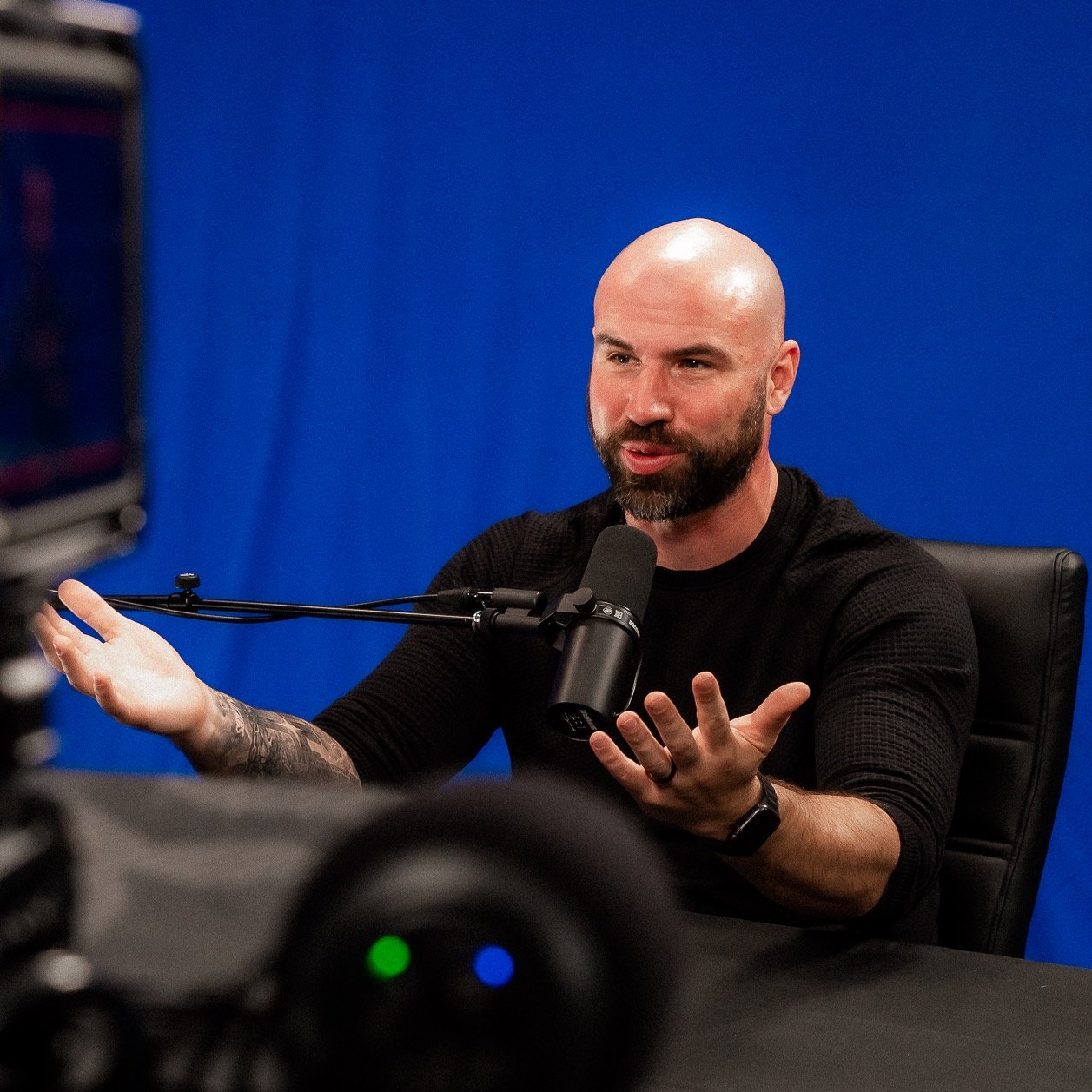
In this episode Jeremy chats with Adam Kifer about his journey through Martial Arts.
Adam Kifer - Episode 1074
SUMMARY
In this engaging conversation, Jeremy Lesniak is joined by Adam Kifer to explore his evolution of martial arts training, emphasizing the importance of personal growth, curriculum design, and setting high standards in martial arts schools. They discuss cultural shifts within the martial arts community, the significance of honest feedback, and the necessity of adapting to modern challenges. Adam shares his journey in martial arts, highlighting the impact of resistance and the value of cross-training. The discussion culminates in a call to action for martial arts school owners to empower themselves and their students, fostering a culture of continuous improvement and excellence.
TAKEAWAYS
Martial arts can provide life preparation and mental toughness.
Cultural shifts in martial arts schools can enhance student engagement.
Curriculum design should focus on quality over quantity.
Personal growth is essential for effective leadership in martial arts.
Resistance in training is a sign of growth and progress.
Setting high standards can improve student performance and retention.
Honest feedback is crucial for personal and professional development.
Cross-training in different martial arts can enhance overall skill.
Martial arts schools should adapt to modern challenges and student needs.
The journey of martial arts is about continuous learning and improvement.
After listening to the episode, it would be exciting for us to know your thoughts about it.
✅Subscribe to whistlekick Martial Arts Radio on the following platforms:
🎧Apple Podcasts: https://apple.co/3mVnZmf
🎧Spotify: https://spoti.fi/3yHVdHQ
✅You can find whistlekick on all social media platforms using the handle @whistlekick or visit our website at https://www.whistlekick.com or https://www.whistlekickmartialartsradio.com
Show Transcript
Jeremy Lesniak (06:09.954)
Hey, what's going on everybody? Welcome back to another episode of Whistlecake Commercial Arts Radio. Today I'm joined by Adam Keifer and I've got a feeling that some bold statements may be made between you and I. know a bit about you Adam and I don't shy away from the bold statements. So the two of us in one spot could get rather direct as we talk and I'm looking forward to that.
Adam Kifer (06:29.031)
same.
Adam Kifer (06:34.578)
That's right. It'll be good.
Jeremy Lesniak (06:37.494)
To those of you out there, you're new, make sure you check out whistlekickmarshallartsradio.com. That's where we put every single episode that we've ever done. We've got transcripts if you want to search through them. We've got links to the guests, social media, and of course anything Adam and I talk about will be listed there. If you're listening, make sure you check out the video versions of the episodes. Those are posted on YouTube. And if you want to support us in our mission to connect, educate, and entertain the martial artists of the world, visit whistlekick.com to see all the things that we're doing. And with that, Adam.
Welcome to Whistlekick partial arts radio.
Adam Kifer (07:08.058)
Hey, thanks for having me excited to be here.
Jeremy Lesniak (07:09.71)
Yeah, yeah, I'm excited to have you here. Now, some of the audience will know who you are. Some of them will say, who is this guy and why is Jeremy bringing on people who seem to only match his hairstyle lately? But we're. Yeah, yeah, I mean, we've got we've got the beard going. We've got we've got the shorn skull going.
Adam Kifer (07:28.412)
pretty common.
Adam Kifer (07:35.186)
I actually, had hair before this episode. just wanted to honor you and the, Yes.
Jeremy Lesniak (07:39.087)
Oh, well, I appreciate that. mean, that is commitment. That is, mean, you know, if you hadn't told anyone, I would just, yeah, I mean, but thanks for jumping on the program. We actually, we do have a good number of well-shorn skulls on the team. Andrew, of course, has no hair, when I was a kid,
Adam Kifer (07:47.602)
That's him.
Adam Kifer (07:52.539)
Of course.
Adam Kifer (08:00.922)
Yes.
Jeremy Lesniak (08:07.564)
I was observing the black belts and just realizing, okay, statistically, the higher ranked adult men are less likely to have hair regardless of age versus the lower ranks. And I was young enough to think, is there something to this?
Adam Kifer (08:28.434)
Yeah, they're teaching kids all day.
Jeremy Lesniak (08:30.158)
And now, and now I wonder, yeah, maybe, maybe it is that. But hair style or lack thereof aside, where do we start talking about you? Like what's great entry point to the Adam verse?
Adam Kifer (08:44.818)
We can always go back to how I got into martial arts. It's always a good part.
Jeremy Lesniak (08:48.238)
Okay, it's a place that we often start. what's episode zero? see some nerdy things on your wall. So I don't think you're gonna mind we go there. What's episode zero where the first issue of Adam Goes to Martial Arts?
Adam Kifer (08:52.583)
Yeah.
Adam Kifer (08:58.323)
yeah, lots of nerdy stuff. No, no.
Adam Kifer (09:05.498)
Yeah, so I was a dojo rat. My parents owned a martial arts school when I was younger, so I pretty much like lived there day in and day out. Started when I was three years old and like just fell in love with it from the beginning, but always felt like sort of the outcast at school because like all the other kids did like.
regular sports. And I was I was the one doing martial arts. And then I got really into it in high school because I went to a NASCA tournament saw Mike chat competing in the ring next to me. And I was just like, you could do that. Like, that's a thing that's possible with with what we're doing. Because I grew up doing like traditional tangsudo and hap, hap, keto and kabuto, and had never seen like sport karate or open forms. So I think he was doing like his Street Fighter musical form when I saw
And I was just like blown away and then I got really obsessed with not only just like training more frequently but like got into tricking culture for a while and NASCA and NBL and all of that stuff but all on the way like I think the coolest part of martial arts and what I credit martial arts with the most was just life preparation like I just I felt like especially the young kid doing martial arts I had like certain advantages like I would see kids like freak out in school about the smallest things and I would just be like
I'm like, why are they acting that way? Like, why are they controlling themselves? Or like you'd see a kid not turning his homework at school and I'm just like, I'm like, man, I was like, I wonder if he knows about self discipline. And it was just like these little observations. And those things just sort of carried with me through life. And of course, like the mental toughness built from martial arts and obviously training 35 years ago is a bit different than it is today. Like a little.
little stricter back back then but I think it was I think it was good for me in the end so that's sort of like where it all started and it was easy for me to fall in love with it.
Jeremy Lesniak (11:04.174)
You know, there's a name that I haven't heard anybody drop on the show for a while, Mike Chat, who was actually on episode 28. One of those early people that I reached out to when I said, hey, will you come on the show? And he said, yes. And I went, wait, really? Are you sure? Are you sure you're willing to do this? I'm nobody. And here I am, know, nobody a decade later. What was it, how old were you when you saw him in the ring?
Adam Kifer (11:12.24)
Wow.
Adam Kifer (11:21.276)
Yes, it's awesome.
Adam Kifer (11:30.828)
I was so I got a black boat at 10, which I probably should have never gotten a black boat at 10. It was my first tournament as a black belt. So I was probably 10 years old.
Jeremy Lesniak (11:39.246)
Okay. And if I'm doing my math correctly, that's kind of the beginning of what I think a lot of people would call his competition peak.
Adam Kifer (11:50.63)
Yeah, I think I think was close to it. Because I started buying like all the black and blue production, like videos to see his forms and stuff after that. So I think that's when he got like super popular and started his winning streak.
Jeremy Lesniak (11:57.461)
Yeah.
Jeremy Lesniak (12:02.37)
Yeah. And so do you remember what it was like to see someone performing at such a different, not just one level beyond, but probably two or three? Yeah, just realizing not only is this person that much better, I didn't even realize you could be that good.
Adam Kifer (12:16.764)
other levels.
Adam Kifer (12:24.563)
Yeah, it...
I was fortunate because he trained at Sharkey's in Naperville and I'm from Chicago so we're pretty close. We got to start seeing him more often as we competed and got to do like private lessons and he'd come to our school pretty often. But that first time I just I didn't even know what I was watching. I like just I like he did like a back tuck and then he did like 540 and like his jumps and crest and split kip up like all that stuff. And it was the first time I'd seen any of it besides like watching Jackie Chan do something similar in a movie.
And I was I was just like, like opened up like my mind to what martial arts was and what it could be as a result. And then even like the music, like I had good six, seven years of DJing like when I was older in Chicago. But like he was one of the first guys I saw with a custom music with like the Street Fighter music. I don't remember anyone really doing it before then. They choreographed their form to the music, but having like music made for your form like that. That blew my mind, too.
So think just seeing him pioneer just sparked creativity in me with what I was doing in martial arts. And it's funny too because...
Jeremy Lesniak (13:33.71)
you take good
Adam Kifer (13:35.346)
I was gonna say my dad like hated it like he would see me because he was like old school traditional guy so he would like see me like doing the jump kicks and stuff he's like that's so would never work in a real fight I was like well not planning on throwing a 540 while I'm sparring but it was funny because he was like so proud of me training but not really training that style until I started to actually like place with it but yeah just a difference of generations in martial arts
Jeremy Lesniak (14:05.304)
So you kind of layered in something that I figured we'd get to, your parents' response to this dramatically different way of looking at martial arts. So where did you take what you had been given and what you were seeing and what was your angle to follow through with that?
Adam Kifer (14:23.377)
Yes.
So my older brother is eight years older than me. Obviously also trained with our parents. So he was like in charge of the demo team at the time. So he was very open to it and bringing that he was like obsessed with Casey Marks. Like I was obsessed with Mike Chat because he was a bow guy. So he started getting really into sport karate as well. And then it's sort of our demo team just is what we switched to completely. It was almost like we went from like Ernie Reyes West Coast demo team generation of just like doing some random jump kicks to like now putting
it all together with like what we're seeing my chat do. And I think my dad came along or came around to it when we started doing demos. And he saw the response of the crowd to the demos that we were doing, as opposed to us like just going and doing like a traditional form and self defense and cutting watermelons on someone's stomach. And that stuff he just he saw the reaction was much bigger. And then he was like, I think there's actually something to this.
Jeremy Lesniak (15:22.787)
And what did that shift do to the culture of the school?
Adam Kifer (15:27.698)
sport kind of became big in our school, like in the, in yeah, like early 2000s, late nineties. I would say is when it started getting big at our school and.
Jeremy Lesniak (15:28.696)
where you tweet. Yeah.
Adam Kifer (15:37.104)
Like there is kids that you just see staying after just like jump kick fall down, jump kick fall down. Kids would come like two hours early before class or Saturday mornings. I get there at seven and our first class was at nine. And like there was groups of kids that would just have their parents drop them off early so that they could just like train and try flips and like all this stuff on the mat. it it also like ignited something in our student base of just like wanting to do more and wanting to reach for something like bigger and different that they hadn't been to experience.
exposed to as much. And it almost became its own culture in the school too.
Jeremy Lesniak (16:12.372)
Yeah, and so I'm curious because, you know, we'll get there eventually the people who know you know that you getting bodies indoors is a passion of yours. So I'm wondering, as you started to see that cultural shift from at least some of the students, did it change retention? Did it change recruitment? Did your father start to see it a little differently when it hit the bottom line?
Adam Kifer (16:36.049)
Yeah, that's a great question. And I'll be honest, when I was a teenager, I didn't pay attention to KPIs or numbers whatsoever. I was like, I was gonna teach awesome classes and look.
Jeremy Lesniak (16:44.118)
You would be a very odd teenager if you did.
Adam Kifer (16:46.163)
Yeah, yeah. And I'm like, gotta look good while doing it pretty much. But like he had it in the 90s. And I feel like I'm one of those like old school martial arts guys like going back in time now. But like in the 90s, he had one of the biggest schools in the Midwest. was a he took over a third of a grocery store and made that as martial arts school so that we like three massive math spaces on there. And he had like 350 students, 400 students in the 90s. So he like for that time period, he was doing pretty, pretty good. And I
a lot of it was like we became pretty well known in the community just with like all the demos that we were doing and and my dad was pretty good at marketing for what marketing was back in the day. So yeah like we always had a pretty high student count for that time period.
And I definitely think the sport karate contributed to it because like everyone want to be on the demo team. Everyone want when we start when hyper came out, we started doing hyper classes and and that became big as well. So yeah, I think it changed a lot and it created a lot more excitement, especially for younger people.
And I still think it took the nerdy aspect out of it, not saying that like karate is nerdy, but if you look at how it was portrayed in pop culture, like Daniel LaRusso was the nerdy kid doing martial arts, right? And in most times, you think Kramer on Seinfeld in the martial arts episode when he's sparring kids, like it was always portrayed as something laughable or funny. And I think for lot of parents at the time when they would see like the tricking and the jump kicks in that side, they stopped looking at it as something laughable and started looking at it.
in a different way and maybe take it more seriously.
Jeremy Lesniak (18:25.848)
Yeah, martial arts skill, of course, anybody that's immersed in it, we understand. But to look at it from the outside, without full context, you are left with some things that look kind of ridiculous. And let's face it, there are plenty of things that we do that even those of us inside say, yeah, this is kind of ridiculous. You made a small statement, and maybe this is the first place where we go bold. Maybe you shouldn't have had a black belt at 10.
Adam Kifer (18:43.153)
Yes.
Adam Kifer (18:54.77)
Oh, I shouldn't have. I absolutely should not have. There's a few like curriculum.
Jeremy Lesniak (18:56.118)
Okay, speak on that. Okay.
Adam Kifer (19:03.184)
My dad's curriculum, so his instructor was Lou Casamassa was one of his instructors and then he had this Hapkido Grandmaster Jihanjai who trained him. And my dad was like the curriculum collector. So like if he learned something, it ended up being part of our curriculum. Like we had for self-defense skills alone, we had 360 something self-defense skills for black belt.
And then you had like 24 forms, four weapons forms, all your single kicks, double kicks, like board breaking, sparring, all the things, like it just kept going. And like seven different weapons, eight different weapons that you're learning up to Black Belt, it was craziness. So if we just think about a 10 year old's ability to retain just information, like.
Jeremy Lesniak (19:34.04)
lot.
Adam Kifer (19:48.85)
Insane that I was even put up to test and then like I've seen pictures of my black belt test I don't think I've ever seen a video of my first three tests, but I saw pictures and I was like I wouldn't pass that Like so I think also the the focus was like how much could you know now not how good could you be?
And I still think there's some martial arts schools trapped in that, whereas they're just handcuffed by their curriculum. And as a result, they have a bunch of people that are really good at memorization, but not really good martial artists. And I think that was me at 10. I knew a lot and probably couldn't apply hardly any of it.
Jeremy Lesniak (20:25.39)
One of the things we've talked about on this show, something that I've become really passionate about is there's a direct inverse relationship between the size of the curriculum and how well any one thing is known. If you want somebody to know 10 things, can... Some instructors want to believe this not to be true, but if you ask them to do 10 things, they're gonna split their at-home time 10 % to each, and honestly, probably not even that, it's gonna be 95 % of the thing they like most.
Adam Kifer (20:36.914)
100%.
Jeremy Lesniak (20:53.25)
and then split that other five among the nine. But if you give them one thing and say, this is what's important for you to learn, they're gonna get that much better at it, whether it's the thing they like or not.
Adam Kifer (21:03.27)
Yes.
Yeah, I think it's also important to consider like the time spent training and how it's changed over the years. Like what even I still don't think I should test for black belt when I was 10. But when I was a kid, I was taking three or four classes a week. We do a two hour training session on Sunday. So if you look at the time spent in the school, there was a lot of time spent. But if we look at now, the average student goes two times a week. And let's say average class time is 45 minutes. So you got an hour and a half a week that they're training.
times that by four, we're at like six and a half, seven hours a month. And we're asking them to do how much curriculum in that amount of time. Like the school system has them for seven hours a day and they still go at a much slower pace. It's like your first grader isn't learning math this month and multiplication next month.
They're learning how to add ones, and threes this month. And then next, next month they go to fours and fives. And then next month it's added on where at martial arts, we just, I think we had a lot of people create martial arts curriculum that were expert martial artists, but not experts at curriculum design. And as a result, we just got left with their best effort at it.
But I think it's sort of time that we like go back and look at it from a curriculum design expert. And I think most martial arts schools can improve drastically what they're doing with how they're structuring their curriculum.
Jeremy Lesniak (22:30.574)
is a subject that I think a lot of schools are struggling with. You use the word handcuffed. I think plenty of schools do feel handcuffed to the past because they want to pay homage to how they were raised. This is how it worked for me. And look at where I am. I've earned my rank and kept going. And I know these things. And now I've opened a school. So you can't say it doesn't work. But you could say, you could ask the question, are there better ways? I think there are, absolutely.
Adam Kifer (22:40.774)
Yes.
Jeremy Lesniak (22:58.882)
were undoubtedly on the same page there. But I'm sure you have these conversations frequently. What do you tell the school owners who are handcuffed and they're trying to cram too much down the kid's throats because you threw out the figure six, seven hours a month. I think it's far less than that because when you get through warmups and the games or the map chat at the end and you know, the periodic derailment because you get one kid that, you know, asks the ridiculous question. When you factor all that in,
Adam Kifer (23:15.967)
yeah.
Jeremy Lesniak (23:28.076)
you're probably looking at four to five hours a month for the typical child.
Adam Kifer (23:33.074)
So here's a fun stat I'll throw in there to make it probably way less. For schools, I do a lot of line drills. And what I mean by line drills is people, one person's going while the rest wait in line for their turn, which we see all the time. So we had a couple years back, we had all of our clients submit an hour of class footage. So we had like 80 hours of footage. I watched every single hour of class footage. And what I started to do is, as I was watching the classes, I would pick one kid in the class and I'd pull out a stopwatch.
And every time he was moving, I would start the stopwatch. And every time he was standing still, I would stop it. And I would say a majority of the ones we watched, the average movement time of a kid in a 45 minute class was under 10 minutes of movement.
because you have explanations, have slow transitions between drills, you have line drills. Line drills are the biggest killer of activity in martial arts. In a five minute line drill, the average kid is moving for about 40 seconds. In a five minute line drill. So how many reps are they actually getting in 40 seconds?
Not enough. Like I think that's the answer. So going back to what we were talking about, I think a lot of it just starts showing them the data. Like when I go and do site visits at schools and I watch and audit their classes, I'm there with my timer on my phone open and then I sit with the school owner afterwards and I said, all right, that boy there, I watched him the whole class. And I go, his movement for the entire class was four minutes and 32 seconds.
And I go, when we got to the section of the form, you're expecting to remember so much of the form that he got through the form two reps in class. And we all know that kids are not practicing at home. like, we want them to, and we encourage them to, but we know that most kids are not practicing at home. So they're only getting two reps on the form when they're in class. Like how good is that kid gonna be? And.
Adam Kifer (25:24.366)
Most schools, and I say most, not all, most schools are gonna pass this kid in two months or three months or whatever it is, no matter what. Which, different problem in our industry. But it's like, they serve the time so they get the belt at the end. And I just think we have...
an industry that over time has lowered our standards and created excuses for our students. And as a result, it's pulled away from the quality. I know I totally skipped your question, but going back to what I would tell school owners, this is what I would tell them. This is what I tell them is that we haven't adapted over time. And as a result, like you can look at your students and feel proud or not. Great example of this is when I came out to Arizona, I took over a junior high school.
Jeremy Lesniak (25:54.862)
It's okay.
Adam Kifer (26:11.214)
And I remember sitting and watching and I'm not bashing Junior Taekwondo. There's some great Junior Taekwondo schools out there. But I remember watching the first testing and I was just like, I wouldn't pass any of these kids, like not a single one on what they're doing. like quality of basic foundational techniques. And then when I was talking to the previous owners, I was having them walk me through their curriculum. They're showing me self-defense and they're doing like everyone knows this one.
against the choke. Like they did that one and I wasn't resisting. I just had my hands on the instructor's neck and like it didn't work. And I go, do you really, do you guys really think this would work? And they go, no. And I'm like, so why are we teaching this? Like, why is this something still being taught if we know it's not working? And.
I just think that like, going back to what you said, we get so stuck in tradition and like doing what our instructor saw us. But in reality, if you think about you as like being a product of your instructor, how many other people were a product like you from that instructor? like you're so like we're talking about ourselves as being like the 000.1 % like of that grouping.
Jeremy Lesniak (27:09.582)
very many.
Adam Kifer (27:18.962)
It's not a model for success necessarily. I know you had Jody on, but Jody and I always talk about it. like, don't pass the trauma that your instructor put on you to your students. So like, just because they did something, they were trying to figure it out too, man. They were doing their best, but that doesn't mean it was the best.
Jeremy Lesniak (27:38.169)
You know, one of the things we've been talking about lately on various episodes is this idea that unless you're willing to change it, it can't get better. Unless you're willing to allow your students to be the best martial artists that they can be, if you're only trapping them into imitation. If that's all you do, the quality is doomed to get worse because no one's ever gonna be a better me than me. But if I let them be them,
Adam Kifer (28:03.526)
percent.
Jeremy Lesniak (28:06.882)
They can be a better version of them and hopefully if I'm doing my job right, they are overall better than me at a multitude of things. And then their students get better than them. That's what we should want.
Adam Kifer (28:17.382)
Yes, 100%. And I also think too, some of the leadership in the martial arts, like older leadership, I'm really excited about the new generation of school owners coming up. But like some of the older leadership in martial arts, they were more concerned about protecting their legacy and being remembered as the person than they were about actually empowering the people below them and adapting. And there's of course, there's unicorns in that that have adapted and done great things. And I'm just sort of talking in general.
Generalities, generalities, like I just lost my vocabulary talking in general right now But yeah, and I just think like if we're gonna do better for this current generation like this current generation of kids specifically has way different problems than generations 20 years ago, like they are inundated with screens inundated with opinions 24 hours a day and Like if we don't adjust we're not really doing justice for the kids that we're serving to the parents that we're serving
Jeremy Lesniak (29:16.074)
I don't if you've ever read the book From Good to Great, Jim Collins. what made me think about this was Jim talks about the five stages of leadership and within level five leadership, one of the hallmarks is does your organization fall apart without you? That if we look at the old school way of considering martial arts leadership, the grandmaster's gone, nothing will ever be as good as again.
Adam Kifer (29:20.198)
Yes. Great book.
Adam Kifer (29:33.532)
Mm-hmm.
Jeremy Lesniak (29:44.021)
As good again, no one will ever fill their shoes. And I believe in, I always thought that's an odd way to look at this. And then I read that book probably 20 years ago and Jim Collins talks about it as no, that's the last thing that you want to happen. Why would you not want your legacy to be? You built this thing that continues and continues to get better even without you. Cause the people you put in place are that amazing.
Adam Kifer (30:00.636)
percent.
Adam Kifer (30:07.601)
Yes.
And also that ties right back to our talk about curriculum because if your curriculum is not easily digestible and systemized How many people are actually gonna be able to learn it and be able to continue carrying it on and passing it on? Like we have some pretty big goals for our school and what we're getting ready to do in the next five years And whenever I talk about these goals people will be like, yeah But what about instructors like where are you gonna find all these instructors? And it's like well the curriculum should be simple enough that you can bring in an athlete or someone that has
like fitness background or just really good coordination and be able to teach it to them and get them the basic understanding of it within 90 days. And that's why I started to gravitate more towards like boxing, Muay Thai, kickboxing nowadays is because like, number one, I think it's super effective if you need it for self-defense. And then number two, it's not memory based. It's literally, it's like when you spar with this stuff, it's honesty.
like whatever happens in the match is the truth in that scenario. And then also like because the number of techniques are limited, it's just a lot easier to teach at a faster rate to most people.
Jeremy Lesniak (31:24.55)
And you you break that rank dilemma for instruction. Right, and this is this is something that. But but if if you're talking about teaching getting someone qualified as an instructor in 90 days, they're not. They're not the black belt. They're not the expert. They're the instructor, and I'm going to guess you are. Separating and progressing.
Adam Kifer (31:28.804)
Yes, yeah, we still do ranks.
Adam Kifer (31:43.154)
Correct.
Jeremy Lesniak (31:50.922)
instruction skill and rank as student independently.
Adam Kifer (31:55.056)
Yeah, 100%. Like, How many of us have seen black belts teach a terrible class? We've also seen black belts teach. Yeah, we've seen black belts teach great classes too. I've also like when I was doing jujitsu, there was a blue belt like that taught one of my classes that did a phenomenal job and actually thought he broke down techniques better than our professor.
Jeremy Lesniak (32:02.818)
We all have.
Adam Kifer (32:16.592)
did for the specific technique he was teaching. So I think that the skill sets are different. And I think, like our industry sort of has had this concept that if you're a black belt, you're good at anything, and we should listen to you about everything. And it's like, no, this is like totally
Jeremy Lesniak (32:32.046)
Because magically when you tie that belt, there's like a pouch and it cracks and you inhale and all the wisdom of the teaching goes into your nasal passages.
Adam Kifer (32:35.058)
It's an aura.
Adam Kifer (32:39.355)
of the world. Yes. And there's less so now, but like I say, five years ago, there's a lot of people online that were like Grandmaster so and so in their Facebook thing. And then it was like what that you could tell that what they posted, they thought was like law. I think that's disappeared more and more, which I'm grateful for. But yeah, I think just with this model.
Like in 90 days, I can have someone ready to teach our four to six year old class and our like beginner class. I'm not saying they're gonna be teaching black belts or advanced moves or anything like that, because they're not gonna understand distance angles and those types of concepts yet. But can they teach a group of four to six year olds for 30 minutes? Absolutely. And still that going back to what Jim Collins was talking about, that makes it so I don't have to be that person.
doing that and now I can step back more and focus on developing my team and my instructors while they're taking over some of the other aspects of running the school. And I think that's the way I'm very proud of a lot of schools I see that have simplified their curriculum because like there's some schools I'll go to and I like Ernie Reyes, I gotta give a huge shout out to Ernie Reyes Senior. I was with him for a weekend a few months back and I was watching his graduations and he had like his little guys as four to six year olds.
These kids, sidekicks, I'm watching, bam. Like they're just holding it there. Like it's nothing. And then perfect chamber back and down. And this is not like one or two kids in the class. Like I'm watching like 40 of them in this testing. Across the line, a majority of them have kicks like that. And it's funny that.
Jeremy Lesniak (34:01.006)
They good? nice.
Jeremy Lesniak (34:16.888)
What are they doing differently?
Adam Kifer (34:19.791)
So his daughter Destiny runs the location I was at, her standards, it's standards. And they're not afraid to tell someone they're not ready to test, which I think is huge. I think we get too worried about, we're gonna hurt the feelings or the parent's gonna get upset with me and we overthink it. And like at our school, when we hold the kid to a standard, I always see the parent going like this.
And When the kid's not held to a standard, like I sit in the audience a lot when I'm there, if I'm watching my kids in class, and most parents don't know I'm the owner, unless like I introduce myself as the owner. So it's nice, because I hear them talking to each other when I'm watching class. And so I get to hear their thoughts. When I see a kid not being held to a standard, I almost always hear the parent comment like, man, I wish they would push him harder.
or he's not doing pushups right. I wish they would correct him on that. I always hear that. So parents want their kids held to a high standard. I think the challenge is most parents...
struggle with the ability to hold their own child to a high standard and They need a they need that outside voice. They need that mentor to help do it for them So I think with with Ernie school specifically His daughter holds those kids as such a high standard like if if they walk out and they don't say yes They're loud enough. They don't walk out with urgency they do it again And that's exactly how it should be we call that at our school reptile, correct? It's not reptile the 10-minute timer on the drill is done. It's reptile
they get the correction and they show us that they can do the correction on their own without needing us to reset them again. And I think that aspect is missing a lot. And when I watch all those videos and when I do site visits, there's just a lack of correction happening.
Adam Kifer (36:07.172)
and a lot of martial arts schools right now. And a lot of times it's because you have improperly trained assistants or you have assistants that are statues and they're just standing there with their hands behind their back. And they're like, why do need them on the mat to begin with if that's the case?
Jeremy Lesniak (36:18.694)
They're waiting for the head instructor in the class to tell them rather than, no, you see something wrong, go address it.
Adam Kifer (36:23.621)
Yes. Yep. And most times the lead instructor is doing okay correcting, but they can only correct so much.
in a class of like 30, 40, 50 kids, right? So the lack of correction is leading to a lack of standards. And then I think a lot of school owners are like, because we're not correcting them like we should be or raising them up, like this is the new standard. And I think it's a subconscious thing. I don't think they sit down and like decide that it's a subconscious thing that happens over time. And you just start to see it lower and lower and lower. And what happens is the standard is lowering to lowering to the kid, instead of the kid being brought up to the standard.
which if we look at any other sport like football or basketball, what happens when the kid doesn't meet the standard?
Well, they don't make the team. Yeah, they don't play. They lose out on playing time. They get benched, all those things. But martial arts, those aren't really options since it's not a team sport. So we don't have the same motivation, like intrinsic motivation on the athlete side to rise up to that standard. We have to do better as instructors to really raise those kids up to the standard and hold the line at that standard.
Jeremy Lesniak (37:32.591)
So it's a great point. And I think that you're kind of answering the subject you posed earlier on. Why are the standards getting lowered? It's really hard to correct people. We do some teacher training stuff and we use a word that I know you're really familiar with, be relentless as an instructor and make sure that if you give a correction, don't just walk away from.
Adam Kifer (37:54.748)
Yes.
Jeremy Lesniak (38:02.102)
Make sure, stay there until reps until correct, right? Make sure that they're getting it. And it's a lot of work. Being a martial arts instructor, being a good assistant martial arts instructor is a lot of work. You should be exhausted when you're off the floor because just merely paying attention to everything that's on around you takes a lot of energy. And then trying to balance, have I engaged with as many...
Adam Kifer (38:15.206)
Yes.
Adam Kifer (38:24.658)
I'll have yourself.
Jeremy Lesniak (38:28.49)
Students as possible have I given them something to move forward on if I help them see that they are improving right all of those things and Yeah, if you don't do that, then you're stuck at the end with I guess We're gonna pass everybody because I did a crummy job as an instructor. I had a teacher in High school who was my Latin class and we all loved the instructor and he was brilliant but he wasn't a very good teacher and so
we would start on this lesson and we'd derail hard for weeks and then we'd come in and he realized that we were way off so we'd give us the test or the quiz and of course we'd all fail it horribly because we spent the last few weeks learning about Roman culture or something that wasn't really Latin and we'd come in the next class after the test and be livid because we all failed.
Adam Kifer (39:16.517)
Exactly.
Jeremy Lesniak (39:26.198)
And so then we would start reviewing the material so we could retest and it would happen all over again. And we all enjoyed the class, but we were very aware we weren't learning Latin. And I think there are a lot of martial arts schools that are kind of like that.
Adam Kifer (39:42.534)
Yes I 100 percent agree. Your Aladdin teacher was my criminal justice teacher in college.
Jeremy Lesniak (39:51.295)
What did your CJA teacher teach you?
Adam Kifer (39:53.906)
Uh, not much. just put, uh, they put videos on almost every class and have the, uh, the teacher's aid pretty much run the class. And he was still a practicing attorney. So he would be like, maybe they're one class a month. And then we get a test and we're just like, where did all of this come from? Like, look at the connects. They're like, did you learn any of this? They're like, no. So like we, ended up, you know, like had to hire a tutor pretty much to pass that class the way it was taught.
Jeremy Lesniak (39:58.553)
it.
Jeremy Lesniak (40:07.278)
Mmm.
Jeremy Lesniak (40:22.138)
It's, and it doesn't have to be that way. Right? And I just want to go back to something that you highlighted. And I think it's so important. The parents want us to hold their kids to standards. The adults want us to hold them to standards. One of the things that I hear time and again is, I want my kid to have these benefits. I want to get better at these things that everybody knows martial arts is good at.
Adam Kifer (40:26.426)
No, not at all.
Jeremy Lesniak (40:52.182)
And if people are showing up to programs and they're not being brought up in an environment that facilitates that progress, not only does it damage that person, participant, it damages your culture, it damages the reputation of martial arts overall. And that sucks. Don't do that.
Adam Kifer (41:15.634)
To me, your marketing promises that you're not fulfilling when they walk in the door.
Jeremy Lesniak (41:19.011)
Mm-mm.
Adam Kifer (41:21.34)
Like I just, talked to my team about this yesterday because I watched a class last week and there was, to me there was a lack of standards in our school for the class I was watching. And I went in this last Saturday to teach because we had an instructor out and I love just going in to teach the higher belts like when I want. So I went in to teach and one thing I noticed is these are kids getting ready for black belt I was teaching and they're stepping on the mat and I'm looking at their belts and I'm looking at kids that have their, like we don't wear a traditional uniform. We have like a performance shirt and joggers or shorts.
Jeremy Lesniak (41:21.496)
great way to put it.
Adam Kifer (41:51.284)
but they have to have them tucked in belt tied over it and I'm watching kids have their shirts untucked and they're coming on the mat and I had a big talk to my team about like hey how we do anything is how we do everything like we accept sloppy standards of how they're dressed when they walk on the mat we're gonna accept it in other areas of teaching and I sort of the same talk with the kids that day I go why do I care about your shirt being tucked in and your belt being tied properly why is that important and I'm like it's because it shows standards of excellence when we have standards and excellence in one area of our life
it's more likely to spill over to other areas of our life. And it's, it's when we, when we go visit schools or when we watch like class footage or even like go on YouTube, when you see a school that has kids wearing like whatever the heck they want on the mat, looks like kids belts like tied like in every way possible. Like to me, that that's one of the biggest indicators that there's probably a lack of structure and discipline throughout the program and not just and how the kids are stepping on the mat.
And like for us, was like that we lowered our standards to allow that.
We're not doing that again. Like standards are coming back up and our big talk yesterday at our staff meeting was like, hey, this is unacceptable. like starting in today's classes, no kid steps on this mat if his belt's not tied right. No kid steps on the mat if their shirt's not tucked in because we are setting a standard for what is acceptable in the school. And this is the, even though it might feel like the bottom rung, it starts with this.
And then it's funny I had a parent text me last night because I wasn't at the school and she's like man she's like these kids are on point today. She goes everything is just moving so smooth through class. She's like the discipline is great. The structure is great. And I'm like it's sent from one little thing of us allowing kids to walk on the mat and not like be up to standards on what they should be wearing.
Jeremy Lesniak (43:43.981)
You said it, how you do anything is how you do everything. I spend a decent amount of time in a referee's chair at competitions and I don't prejudge students, know, competitors by how they tie their belt, but it is incredibly rare that I cannot make a pretty good prediction on how someone will perform in any event based on the way their belt is tied.
Adam Kifer (44:10.482)
Yes. I would 100 % agree with that. I don't miss judging at tournaments.
Jeremy Lesniak (44:18.76)
It's an adventure. Hey, somebody's gotta do it. Somebody's gotta do it. actually, well, we're starting to host tournaments now. We got another one in a couple weeks. So I'm out in that mix again because it's a great way.
Adam Kifer (44:19.512)
credit to you that you're doing it.
I agree.
Adam Kifer (44:32.042)
that's awesome.
Jeremy Lesniak (44:37.326)
You and I, we occupy kind of parallel roles. We're both out here trying to better the martial arts landscape and by extension, the world. I know enough about you, I've paid enough attention to the materials that you put out that I know we're in lockstep on that. And tournaments are a way that we can kind of quietly expose people to another way of seeing martial arts and the way things are done.
Adam Kifer (44:45.894)
Yes.
Adam Kifer (45:02.85)
I agree. I think tournaments are actually super important for martial arts in general. Because like, obviously, I wouldn't have fell in love with it the way I did if I didn't see my chat at a tournament. So it's like a big turning point for me. And also, I think like, again, like, minus some like iffy judging here and there. For the most part, though, when you go to tournament, it's like, it's honestly about your martial arts training.
Like you can't like especially sparring you can't go and like fake being good and then show up at a tournament because all of your lies get exposed as soon as you start sparring someone. So I just even for that reason alone, I think competition is so so important.
Jeremy Lesniak (45:45.569)
You've used the words, you know, honest truth lies a few times in our conversation and You talked about it with respect to curriculum with the with what? your school is teaching Muay Thai boxing things that that are you know, if you're looking at it from a Competition, you know a combative competition perspective or a self-defense perspective a lot of people would see that that could say there is
Far less material that you have to kind of put aside right? I'm a traditional karate guy. I've trained in a number of other things, but there's a lot of material that I'm even honest with my students. This isn't for the development of your combatives or your self defense. This is for development of your character or something.
Adam Kifer (46:26.93)
Sure. Yep. And I love that you teach it that way. I think that's important.
Jeremy Lesniak (46:33.838)
I wholeheartedly agree. But I want to talk about your use of that language and why you've shifted into these arts where it is more focused on those things.
Adam Kifer (46:49.127)
That's an awesome question. I did. There's two parts to this. So one was from jujitsu and ones from when I started training Muay Thai. When I started training jujitsu, it was at a Gracie Baja, which I know some people are gonna talk smack about. But it was back when I was in Chicago and the first month there like Yeah, yeah. When I was there.
Jeremy Lesniak (47:05.55)
I'm just impressed you set it with correct Portuguese.
Adam Kifer (47:11.986)
I like I've been doing up Keto my whole life. So I'm pretty familiar with a lot of different joint locks and stuff. So I went in pretty confident and also like with the like notion of like, oh, I'm a black belt, this isn't going to be that hard type of thing. And in the beginner class, like the first month, like when we'd roll, I tap, I was tapping out everyone and I was like, my ego is like, oh, I'm amazing. I'm the shit at this. then
Then one of the brown belt professors one day was like, I'm gonna roll with you. And I was like, all right, cool. Dude, I got tapped out like eight times in 30 seconds. And it was like so humbling for me that I was like, man, I thought I was good at like grappling because of what Hapkido taught me. And I was like, I just got madly exposed. And it was like, it was an honesty check for me of like, all the stuff that I thought was like so good, just got like destroyed by someone that's not even a black belt.
And not even destroyed, but I destroyed like multiple times in 30 seconds where I felt like I was like a baby just getting like moved around for 30 seconds. and then there was a similar thing. Yeah, there was a similar thing where I started doing Muay Thai like five, six years ago. I remember I was, I was training with my coach and he had sort of a traditional background as well. And then, had done been a pro fighter for like, I don't know, 40 fights or something. And,
Jeremy Lesniak (48:05.55)
Hmm.
Jeremy Lesniak (48:11.054)
I've had that experience.
Adam Kifer (48:29.267)
When I was training with him, I was like, Oh, I did sport karate sparring. Like I can control distance. Like I'm feeling good. He leg kicked me the first time. And like, I I was like, it's like my brain. was like, I know nothing. Like I know absolutely nothing. Like, and, don't get me wrong, sport crowd, we still mix sport, karate, like point fighting in with some of what we teach. Cause like that front leg sidekick is devastating. Blitzes still work great even in, in like MMA, right? Um,
So we still mix those in, but it was like both those times I was like, went in with such confidence that because I'd been training for the length of time I'd been training and that I've been, I've been disciplined in training martial arts like pretty much since I was a teenager. Like even to this day, I still train two to three times a week with my coach and like, and I don't, I'm not trying to compete. I'm not trying to like belt advance or anything. So I like consider myself like pretty, pretty good martial artists. And then I go in there and it's like,
I haven't been I haven't been exposed to this and pretty much I was like the the best king in my own kingdom that was never exposed to any other kingdoms and and and that's sort of the perspective I think a lot of us have in the martial arts industry until we're exposed to something else which I love how many school owners I see that are cross training and other stuff now I think that is so important because it just puts everything in perspective and going back to what you said earlier too I think the the lies come in when we start teaching
something like it's going to protect someone in a real situation when it isn't going to protect them in it. Like I have no problem with people that teach katos or forms but if you're if you're like low block reverse punch is going to be like the thing that saves you in a fight.
I know like we learned like bunkai and all of that as well when we were when I was training previously and some of that sounds very applicable but there's also pieces of it that like even when you're doing it you're like I don't know like when am I what am I using what am I using this like so
Jeremy Lesniak (50:29.294)
What does this do?
Adam Kifer (50:30.971)
Yeah, so I think when it's taught for the right reason I have no problem with it but when it's taught as like this is going to be something super practical and like think about how many people nowadays are training in boxing or MMA or jiu-jitsu so like Now when you get into an altercation with someone There's a good chance they may have some type of training so again, it just
it will expose whatever you think has been used for self-defense until you actually put it to the test. It's like science. Once you put it to the test, then you get the data that shows like, you were right or you were wrong.
but a lot of people aren't willing to go expose themselves to get the data. And I think a lot of times when you're excelling in your martial arts style for a long period of time, you get an ego. I had an ego when I was doing it as well. And then it's like, you also don't want to fail in front of everyone because that's going to affect your ego and it's going to affect your pride. So you don't put yourself out there to possibly be exposed or humbled.
Jeremy Lesniak (51:32.715)
be a little bit of an ego because if you're cultivating the curriculum and training the students and you're putting in the time, you should feel good about it. And if you don't, you probably should be doing a better job at it. So I think ego in and of itself isn't necessarily bad, but you brought up frost training and a couple of experiences that you had. I'm curious when you were met with that truth that the skill you thought you had was not quite the skill that it was relative to others, how did
How did you respond over time? You told us what happened in the moment, but what happened over the next whatever?
Adam Kifer (52:05.444)
so.
Adam Kifer (52:09.638)
So I think this is like a superpower of mine. When, like first of all, all my close friends and the people I hang around the most are the people that will tell me something brutally honest that would probably offend most people. But what I take out of it is the information that's gonna make me better of what they said and remove the feeling from it. And it was the same with both of these. When I got owned by that brown belt, I became obsessed with training.
I was like, there's so much I don't know. It's almost like unlocking the secret to the universe in a way. You just got this glimpse at how good you can get at this sport and that you're so many levels below that. And for me, was like, all right, well, how do I learn more and absorb more? I always watch UFC. When I started jiu-jitsu, then I started to study it. Then I became a student of watching the fights and watching the grappling specifically.
the same thing with stand up. Like when I'm watching a fight, like I'm trying to watch, all right, did he angle out and then throw that or how did he get that shot so clean? And it's just a different breakdown because me getting my SB was created curiosity.
of like, man, okay, there's something at a higher level than me. How do I absorb this? How do I learn this? How do I study this type of thing? And it was funny. The original guy I was training with when I first started training like kickboxing Muay Thai, I don't train with anymore. Because I got introduced to this guy, Coach Randy, Jody knows him as well. He teaches at the lab in Phoenix trains a lot of like UFC guys. I trained with him once and like Jody had been telling me this whole time, like, dude, you got to go meet Randy, you got
I meet Randy. So I drove out to train with him and I instantly realized his fight IQ was so high.
Adam Kifer (54:01.382)
which is how he thought about the construction of combos, getting angles, doing setups, all these different things. And it wasn't the guy, the guy I was training with, it wasn't that he was bad. He just, he was like, it was levels again. Like he was good for what I needed at the time. But then like I got to the certain point where I was like, all right, I don't want to like just get the shit beat out of me every single time I come to train. Like I also want to like get the IQ of it down because it is a mental game as well. And then when I met Randy,
I was like, I was like, there's more levels to this. Like there's like the stuff I was just doing that was working really well. Like I did an amateur fight two years ago just because like I wanted to set a goal for myself and again, keep myself honest. And it went great. And I was like, all right, what I learned worked. But I was like, when I met Randy, I'm like, oh, like I thought I was good, but I'm not good. Like now that I'm not around like professional fighters and someone that coaches them regularly.
There's so many more layers to unlock. Like Randy could whoop me in Sparring 8 and seven out of seven times every single week. And he's retired like from fighting. He just coaches now. He could still whoop me just because his fight IQ is so damn high.
And I was like, well, I need to be around that that level of training because it's going to help me make my instructors better. It's going help me make my students better. And usually there's always something from when I'm doing my own training that like clicks. And I was like, this can be used to help my instructors learn how to fix this with students.
So then we go back, we create a drill out of it, and then it gets involved into our class. And I think that's the beauty of being a school owner that is still consistently training is like all of us, when we train, we'll feel something is off, like in a certain technique or a movement. And then you dissect it and figure out, what's causing that movement to be off? You fix it. And then it's like, when I go watch class, I see six kids doing this in class. Now I'm so confident I know how to fix it. And I know...
Adam Kifer (55:59.536)
what movements they need to rep right now to get that little thing fixed. So I think it all just sort of ties back into like going back to making our team better, making our students better as us training, us getting humbled, us fixing the things that we're not great at.
Jeremy Lesniak (56:15.48)
Yeah, and it's funny you bring that up because we both work with schools and I'm curious if you found this. Until I can get people at the top passionate about their training, until they're fixing their own things and they're invested in their training as you're talking about you do for yourself, nothing else happens. No other changes happen.
Adam Kifer (56:35.802)
No.
And on the business side, it's like if you don't fix your personal issues, the business issues aren't going to get fixed. Because most businesses don't have business problems. have personal problems that leak into the business.
Jeremy Lesniak (56:50.126)
Yep, I would agree. So maybe this is a good time to talk about what you do. I've alluded to it and some of the people watching or listening are familiar with what you do with your organization, but for the rest of them, tell us what you do.
Adam Kifer (57:03.922)
We just help martial arts school owners to like amplify the impact that they have with their business in their community and that's like our mission and yes Getting more members making more money all of that comes into play but at the end of it It's like what is the core reason that 99 % of martial arts school owners open up their school?
Very rare do I hear someone did it to make money. Because if you were wanting to open a business to make money, you would probably go into any other industry than martial arts, right? So our goal is to help amplify the impact that they're making. And we do that through helping them with their marketing. We do it through helping them to improve the standards of their classes. Jodi works very close with us at Impact Consulting, which is our mastermind.
My focus is yes, I help them with marketing, but really my focus is usually dissecting the owner and sort of finding out what are the limiting beliefs and the things that are stopping them from growing their business and getting it to the next level. And I always, when we have a new client come on, I always have the same conversation. say, hey, I go, my promise to you is I'm always gonna tell you what you need to hear, not what you wanna hear. And I go, and there's gonna be times I tell you something and you're like for 24 or 40 hours, you're gonna be like, Adam is a jerk. Like, I can't believe he said that.
that to me. And I go just know that when I'm telling you something you need to hear, it's coming from a place of love. Because I want to see you succeed. And honestly, that I go the people that really truly care about you are going to tell you the things that you need to hear in order to break your break your current beliefs and get to the next level. I go the people that don't care about you are just going to tell you're doing great all the time just because they want to be liked by you. I'm like, that's not us. So I know like business and marketing is like sort of
what people feel like we do and it's all part of it. But really it's about leveling you up personally so that you can actually step into alignment with the best version of yourself and then raise your team up. Because I think when we're not dealing with our own stuff, we put a ceiling on ourselves. And when we do that, it limits everyone else below you and how far they can grow.
Adam Kifer (59:10.556)
But if I raise up that ceiling, now I just created an even bigger gap for everyone below me to raise up to. And that's really what we do in a nutshell is do that through coaching, consulting, events. We have marketing agency as well, obviously. But yeah, the end is to help school owners just have a larger impact, change more lives, do what they wanted to do when they started their business just at a higher level.
Jeremy Lesniak (59:40.033)
So there we are again, this, if we did subtitles on episodes, this one would probably be raising standards. We're talking about raising standards again. And, and, you know, I think it's so important because it is something that comes out of traditional martial arts, idea that there's, there's always better to be done. Everything can always be better and to raise the standard and to continually raise the standard. as the person at the top raises their standard, it draws everyone up. And it's one of the things that I.
Adam Kifer (59:57.991)
Yep.
Jeremy Lesniak (01:00:09.708)
I see in some newer schools as they find their footing, the overall standard comes up so that when somebody walks in the door, they're held to a higher standard than maybe they would have been six or 12 months prior. And they progress faster because of that. And it really is a fascinating part of the psychology of the leadership model or hierarchy or whatever you want to call it that we have. The higher that standard,
Adam Kifer (01:00:27.122)
100%.
Jeremy Lesniak (01:00:40.482)
the further somebody's going to reach, the harder they're going to work. If they believe they can get there. And that's what I'm hearing you're doing for people. You're kind of bopping them on the nose and saying, no, you can do better. And it can be such a painful thing to hear. I've got stories of that where family or friends or a boss or mostly in training.
Adam Kifer (01:00:55.696)
Yes, yes.
Jeremy Lesniak (01:01:09.95)
Somebody showed me no you can be doing so much better and we don't want to hear it, but we need to hear it And I'm glad you're telling people
Adam Kifer (01:01:16.536)
100%. Yeah, I just had a call with one of my mentors yesterday. Yeah, it was yesterday. And I remember. So every time I talked to this mentor, we I jump on a call with like a problem I want solved. And then I get a solution that I wasn't expecting or didn't think of or didn't think was going to go that way. And yesterday, like I'm feeling pretty good with everything. I jump on the call and I the problem I want to solve. I figured it out already. I was like, I think we got this. And when I got on the call, he just challenged me.
Like he was just like, he's like, can do better, dude. He's like, he goes, I don't see the same fire I saw in you five years ago. And he's like, you need to find that fire again. And at first, like I pulled back a little bit and then I was just like, you know what? I sort of agree with that. Yeah. Yeah. And I'm like, I think he actually may be onto something. And like, I'm sure a lot of people in the industry heard about our crazy year last year with, a bunch of stuff that happened, but
Jeremy Lesniak (01:02:00.313)
His ego, right? You're feeling wounded. Like, how dare you? Yeah.
Jeremy Lesniak (01:02:12.718)
You had a big year.
Adam Kifer (01:02:14.458)
Yeah, but what I figured out is like, was like, I was in survival mode for so long that I got comfortable being in survival mode. And then I had to reprogram myself to get out of survival mode and get into abundance mode again and push forward that way. And I was like, in doing that, I think I lost a little bit of that spark that I had five years ago. And I was like, here's just the first person to call me out on it.
And then of course I like talk to some of the people close to me and I was like, like, Hey, Taylor told me this, like, what do you think? it was like varied opinions, but also I'm like, if they work for me, they're probably going to tell me like, no, you're, doing great type of thing. But I was like, it was the honest feedback that I needed to just like notice something that I was blind to.
Jeremy Lesniak (01:03:00.216)
Yeah, and see there it is again. you if if the person at the top doesn't have the fire. Right things, things don't move and. We all we all deal with that. There are seasons of of. Refinement and seasons of growth, right? And whether it's survival or you know.
Adam Kifer (01:03:05.776)
Yep, 100%.
Adam Kifer (01:03:16.72)
Yes.
Jeremy Lesniak (01:03:23.288)
being a little lazy, right? There tends to be some refinement in there. Well, you know, we've been doing it this way. Couldn't we do it a little easier, a little less effort, a little less money, right? That's not inherently bad. Because you can only grow so far before you have to refine systems. You can only refine systems so far before you need to grow again. To me, it's a natural part of the business cycle. hearing you admit that just makes me feel so good because I have times like...
Adam Kifer (01:03:38.745)
Absolutely.
Adam Kifer (01:03:42.683)
Yes.
season.
Jeremy Lesniak (01:03:52.185)
We all have times like that. Everybody out there in the audience, you have permission to acknowledge that you have times like that. You don't have permission to stay there longer than you need to.
Adam Kifer (01:03:52.582)
Yeah, absolutely.
Adam Kifer (01:04:05.124)
Yes. Like fall down, get up, don't stay there, don't stay down. You know, one of my favorite things, David Goggins, like when I was like...
struggling to get consistent with working out again, like I don't know, maybe five or six years ago. I remember watching a video of his and he goes, everyone thinks I like working out. He goes, when I get up in the morning, he goes, sometimes I will stare at my shoes for 30 minutes and argue with myself before I actually get out the door and train. He goes, it's not an easy thing to do. And hearing him be vulnerable about that, because I think a lot of people that are maybe business influencers just in all the industries, they act like everything behind the scenes is
so perfect, so organized, they're always in the right mindset. But like when you meet a lot of these, these influencers, like they're
not all of them, but some of their personal lives are like a complete mess behind the scenes. But like when you see just a highlight reel on social, you're almost expected to like show up perfect and feeling the best every single day. And I'm like, that's just not the reality of the situation. I go there. There's days that I have to hype myself up before I jump on a call. I'm like, there's events I go to where I need to like this, this last event that we hosted for whatever reason, Saturday, I woke up and I was like, I had like a negative mental loop going on on the Saturday.
And I and it was almost like where I didn't feel worthy to teach that day for whatever reason was the dumbest thing ever But I had to like battle through that in the morning to like get to the place I needed to be in order to show up so for like everyone that's listening like there's always gonna be some sort of battle or wrestling or struggle going on to like get through it, but Resistance is a good thing Resistance is actually a great thing because the only people that don't feel resistance are people that aren't moving
Adam Kifer (01:05:54.484)
So I think if we just get around the idea that resistance is good and it's not a negative when we feel pushback It's not a negative when we feel Like the the wrestling with with thoughts beliefs or problems that know this is like a sign of you growing and going in the right direction And we start to embrace that also when you feel resistance you think I'm going in the right direction now like I'm doing the right thing because I'm feeling that push back and I always equate it to like if you're standing still outside you
you feel like a little breeze, you start running, you feel that wind going against your face more, and then take it to when you're in a car and you put your hand out the window. Like your hand's getting blown back because guess what? You're moving at a much faster speed and the resistance is stronger. And the same thing is just with your personal growth as well. Like you're gonna feel strong resistance anytime you're trying to move fast.
Jeremy Lesniak (01:06:46.536)
If people want to find you, email, web, social, any of that good stuff, where are they going to find you?
Adam Kifer (01:06:53.146)
Yeah, Adam kiefer on everything pretty much tick tock Instagram. It's k i f e r. If if you want to reach out to me Facebook you can message me I check it at least once a day. Usually once a day on Facebook is usually the place where most people start by reaching out to me.
Jeremy Lesniak (01:07:10.242)
Adam, has been great. I didn't know where we were going to go, but it was the standard, right? This was the quality of conversation that I was expecting, having watched a lot of your stuff for quite a while. But I'm going to have you close us up. So, you know, we've been all over. What do you want to leave the audience with?
Adam Kifer (01:07:12.442)
Yeah, I've had a blast. Thank you.
Me neither.
Adam Kifer (01:07:33.65)
I think what I'll leave the audience with is this is
Be unapologetic about growing yourself on a daily basis. Be unapologetic about giving yourself time to sit in stillness and let your brain reboot. And be unapologetic about working out and training and staying healthy. Because all of that allows you to show up as the best version of yourself. It allows you to show up as a better husband, better wife, better mom, dad, leader, business owner, all of those things. And I think a lot of us put so much pressure on ourselves.
That we we put guilt on ourselves when we're doing those things and those are the things that are gonna help you to show up the best time in and time out so be unapologetic